

What is Automotive Plastic Mold
Automotive Injection Molding refers to the use of the injection molding process in the automotive industry. A mold is a hollow form made from metal and contains the shape of the desired part. Plastic is injected into the mold, and once cooled, the mold is removed, leaving behind a finished plastic component. These molds enable mass production of automotive parts that are lightweight, durable, and cost-effective. Automotive plastic molds are commonly used for manufacturing dashboards, door panels, instrument panels, and other interior and exterior components of vehicles.Many intricate parts of automobiles such as dashboards, intake manifolds, bumpers, headlamps, door handles, and multiple under-the-hood components are produced using automotive plastic injection molding.
Benefits of Automotive Plastic Mold
Fast and Efficient Manufacturing Process
In most cases, injection molded parts can be produced in a matter of minutes. This high production speed allows automotive manufacturers to quickly and efficiently produce the parts they need.
High Surface Finish
Injection molding produces parts with superior surface finishes. Injection-molded parts are typically smooth and free of defects. When creating components with plastic injection molding, manufacturers have a wide variety of finish options, (such as rough, glossy, or matte), which they directly apply to the auto parts mold than to the part itself.the final surface texture varies based on the plastic material used.
Accuracy and Repeatability
Car molding machines can produce parts that meet extremely tight dimensional tolerances.In the auto industry, it's important to be able to make identical parts over and over again. Since plastic injection molding usually uses strong metal molds, the final product that comes out of the mold is almost always the same.
Design of Complex Shapes
Injection molding machines use a process known as screw precession to inject molten plastic into a mold cavity. This process allows for the creation of highly detailed and intricate parts. Additionally, injection molding can be used to create parts with internal cavities, such as engine intake manifolds.


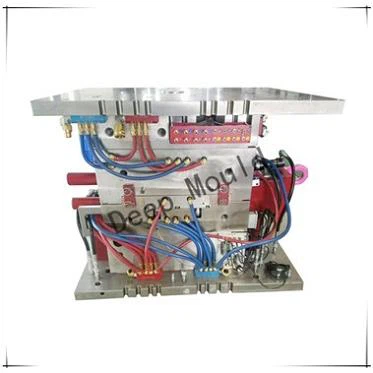


High-precision injection molding for automotive applications
In the automotive industry, it is durability and repeatability of high-volume manufacturing that matter most. Every part of your car should work like a charm and be reproducible so that you integrate consistency in your production processes. The good news is that Deep Mould offers auto-injection molding services to do that for you. They can be used for all car brands and part types, taking the inaccuracy out of your mass production.
With our auto molds, you will take your manufacturing up a few notches. Get ready to enjoy:
Identical features in all parts of the same type. When producing fan covers, car doors, or anything else, you can’t make them different every time. Let us design the perfect mold for you to turn the process into an easily repeatable one.
Improved scalability. Our automotive molds can be used for many plastic types, depending on what part or accessory you need to produce. In other words, they are suitable for under-the-hood, exterior, and interior items.
Next level of cost-efficiency. Deep Mould’s service of injection molding for automotive applications can save you heaps of money. As a car manufacturer, you can now avoid paying over the odds for mass production.
Make your automotive plastic parts flawless with Deep Mould
Are you about to launch a production run for wheel covers, intake manifolds, or cooling system parts? Do not pay more when you can be provided with precision-made products for less! Besides, our injection molding comes with CNC and charge machining as well as other state-of-the-art technologies to ensure better finishing results.
Our team of engineers has decades of experience in producing automotive injection molds, making sure they are synonymous with unmatched quality. That is why these big-name car brands have already chosen Deep Mould for their part production needs:
- Audi
- Bentley
- BMW
- Volvo
- Ford
- Mercedes-Benz
- Volkswagen
Do you have a project that Deep Mould can help you with? Let’s discuss its details and find out what mold will be the best for you. Contact us and be sure to provide some samples to get a no-obligation quote!
Why Choose US

Innovation
We are dedicated to improving our systems continually, ensuring that the technology we offer is always cutting edge.

24h online service
We try and respond to all concerns within 24 hours and our teams are always at your disposal in case of any emergencies.

One stop solution
We can offer a range of services, from consultation and advice to product design and delivery. It is a convenience for the customers, as they can get all the help they need in one place.

Professional team
Our professional team collaborate and communicate effectively with one another, and are committed to delivering high-quality results. They are capable of handling complex challenges and projects that require their specialized expertise and experience.
Types of Automotive Plastic Mold
The molding process of this mold is characterized by placing the plastic raw material in the heated barrel of the injection machine. The plastic is heated and melted, and driven by the screw or plunger of the injection machine, it enters the mold cavity through the nozzle and the pouring system of the automobile plastic mold.Since the heating and pressing device can function in stages, injection molding can not only mold plastic parts with complex shapes, but also has high production efficiency and good quality. Therefore, custom plastic injection moulding occupies a large proportion in the molding of plastic parts, and injection molds account for more than half of plastic molding molds.
The molding process of this kind of mold is characterized in that the plastic raw material is directly added into the open mold cavity, and then the mold is closed. After the plastic is in a molten state under the action of heat and pressure, the cavity is filled with a certain pressure. At this time, the molecular structure of the plastic produces a chemical cross-linking reaction, which gradually hardens and sets.Compression molds are mostly used for thermosetting plastics, and their molded plastic parts are mostly used for electrical switch housings and daily necessities.
Transfer mold is also known as injection molding or extrusion mold. The molding process of this automobile plastic mold is characterized by adding plastic raw materials into the preheated charging chamber, and then applying pressure to the plastic raw materials in the charging chamber by the pressure column. The plastic is melted under high temperature and high pressure and enters the cavity through the casting system of the mold. , and then a chemical cross-linking reaction occurs to gradually cure and form. The transfer molding process is mostly used for thermosetting plastics, which can mold plastic parts with complex shapes.
Extrusion die is also called extruder head. This automotive plastic mould can continuously produce plastics with the same cross-sectional shape, such as plastic pipes, rods, sheets, etc. The heating and pressurizing device of the extruder is the same as that of the injection machine. The molten plastic passes through the machine head to form a continuous molding plastic part, and the production efficiency is particularly high.In addition to the types of automotive plastic moulds listed above, there are also vacuum forming molds, compressed air molds, blow molding molds, and low-foaming plastic molds.
Materials Used for Making Automotive Injection Molding Products
Polypropylene (PP)
Polypropylene, a polymer of propylene, is one of the common materials used in making car parts. Due to its resistance to chemicals, UV, and water, it is widely used in making car's external components such as bumpers. In addition, it is used for cable insulation.
Polyvinyl chloride (PVC)
PVC makes about 16% of the car's plastic components. Being flexible and heat resistant, auto parts manufacturers use it to make both hard and soft parts, including interior panels, and dashboard components.
Polyurethane (PU)
Products that require a high degree of flexibility, such as foam seats, frequently make use of Polyurethane. Car seats are one example. PU is also used for making seals and gaskets, insulation panels, and suspension bushings in automobiles.
Polycarbonate
Polycarbonate is a rigid, hard, and durable material. Due to its resistance to heat and weather conditions, it is an excellent choice for making car bumpers.
Polyamide (Nylon)
Polyamide or Nylon being wear-resistant in nature is used to design bushes and bearings.
Acrylonitrile butadiene styrene (ABS)
ABS, as its names suggest, it's a polymer of acrylonitrile and styrene. It is hard and shiny, which is why its normal applications include dashboards and wheel covers.
Applications Production of Injection Molding in the Automotive Industry
Exterior parts
Multiple aesthetic exterior components of the car, such as front grilles, bumpers, step bumpers, headlights, fenders, and even side mirrors are made using plastic automotive molding. Furthermore, the splash guards, which prevent dirt and mud from flashing onto the cars, are also auto-molded products.
Interior parts
All of the car's interior including roof lining, dashboard, door handles, center consoles, and dashboard compartments are a fine example of injection molded products. Furthermore, all decorative automotive moldings in luxury cars are also made using the same manufacturing technique.
Components under the hood
In the past, all the engine accessories under the hood were made out of metal. But nowadays, with the widespread use of injection molding, the manufacturers have shifted to plastic. Sensors, cylinder head covers, oil pans, and electrical kits, all can make out of plastics.

Automotive Plastic Mold Process Flow
Design
The first step in the process of making automotive plastic molds is the design phase. The designer creates a blueprint of the product, including the dimensions and shape of the finished product. The designer also makes allowances for material shrinkage and other aspects of the manufacturing process.
Material selection
Once the design is complete, the material for the mold is selected. The mold material is typically high-strength steel or aluminum. This material must be able to withstand the high pressures and temperatures of the injection molding process.
Mold creation
The mold is then created using the selected material. This process involves CNC machining, where a computer program directs a cutting tool to shape the material into the desired shape and size. The mold is then polished to achieve a smooth finish.
Injection molding
With the mold created, the injection molding process can begin. The plastic material is melted and injected into the mold cavity using high pressure. The plastic solidifies in the mold, taking on the shape of the cavity. Once solidified, the part is ejected from the mold, and the process begins again.
Quality control
Throughout the manufacturing process, quality control measures are taken to ensure that the finished product meets the required specifications. These measures typically include visual inspections, dimensional checks, and material analysis.
After years of development, on the basis of the company's high penetration express delivery network covering the country and major countries and regions around the world, we provides customers with integrated supply chain solutions through procurement, production, circulation, sales and after-sales.

Things to Note When Using Automotive Plastic Molds
It is important to lubricate the mold regularly to prevent friction and wear and tear, prolonging the mold's lifespan.
Ventilation
Proper ventilation is necessary to keep harmful fumes and particles from collecting in the work area.
Materials
It is important to use the right type of plastic material for the mold, as certain types of plastic may not be compatible with certain molds.
Temperature
The temperature of the mold and the plastic material is also important, as excessive heat can cause the mold to warp or melt. Maintain proper heating and cooling cycles.
Maintenance
Regular maintenance is crucial to ensure that the mold is functioning as it should and remains in good condition. This means cleaning the mold regularly and addressing any issues that arise as necessary.
Repair Methods of Automobile Plastic Molds
Cleaning
The first step in repairing a plastic mold is cleaning the impacted area. Dirt, debris, and other contaminants must be removed to ensure the mold is in pristine condition. This can be done using compressed air, water, or specialized cleaning solutions.
Resurfacing
Resurfacing is a technique used to restore the mold's surface finish. This process involves heating the mold to a certain temperature and then using specialized tools to scrape away the affected surface. A new layer of material is then added to replace the removed material.
Welding
Welding is a common repair method for automobile plastic molds. The impacted area is heated, and a consumable rod is melted and added to the affected area. The added material is fused to the existing mold material, creating a strong bond. There are several types of welding techniques, including hot plate welding, ultrasonic welding, and vibration welding.
Machining
Machining is a repair method used for more significant damage to the mold. The impacted area is cut out using specialized machinery, and a new piece is molded and welded into the hole.
Inspection
Once the mold is cleaned, it's essential to inspect the impact area(s). Cracks, scratches, or other defects should be identified and measured. This information will help determine the repair method(s).
Polishing
Polishing is a process that smooths out scratches or marring on the surface of the mold. Through the use of abrasives, such as sandpaper or polishing pads, the surface is smoothed out until it is uniform and restored to its original finish.

The development trends of automotive plastic molds include the use of advanced materials and high-precision manufacturing techniques. New materials, such as carbon fiber reinforced plastics, are being used to create lighter and stronger molds. High-speed milling and 3D printing technologies are also becoming more common in the production of molds. In addition, digitalization and automation are being implemented in the design and production processes to increase efficiency and reduce lead times. The application of intelligent manufacturing and big data analysis is also expected to further optimize the performance of automotive plastic molds in the future.
How to Maintain Automobile Plastic Molds
Regular cleaning is necessary to prevent dust, debris, and other contaminants from accumulating on the molds. Use a soft brush or air blower to remove dust from the molds on a daily basis. For tougher stains, use an appropriate cleaning solution and a cloth to wipe the molds clean.

01
Lubricate the molds
Apply a thin layer of lubricant on the molds to prevent corrosion and wear. This will keep the molds working smoothly and extend their lifespan.
02
Store molds properly
When the molds are not in use, store them in a temperature and humidity-controlled environment. This will prevent the molds from warping and cracking due to temperature changes and moisture.
03
Inspect molds regularly
Check the molds for any signs of wear and tear. If you notice any cracks or damages, address them immediately to prevent further damage.
04
Use the molds correctly
Follow the manufacturer's instructions on how to use the molds. Overloading the molds or using them inappropriately can cause damage to the molds, reducing their lifespan.
How to Choose Automotive Plastic Mold
Plastic Type: There are many types of plastics that can be used for automotive parts, each with its own properties and advantages. Some common choices include ABS, PP, and PC. Consider the requirements of your part and choose a plastic that meets those needs.
Design: The design of your part will impact the mold selection. Parts with complex geometry may require more advanced molds like multi-cavity or hot runner molds. Ensure that your mold manufacturer has the experience and capability to create the necessary design.
Quality: Your mold quality will impact the quality of your final automotive part. Choose a mold manufacturer with a good reputation for producing quality molds and ask about their quality control procedures.
Cost: The cost of molds can vary greatly depending on the complexity of the design and the materials used. Consider your budget carefully and choose a mold that meets your needs without compromising on quality.
Lead Time: The lead time for a mold can vary depending on the complexity of the design and the availability of materials. Consider your timeline needs and choose a mold manufacturer who can deliver within your time frame.
Service: The mold manufacturer should be able to offer ongoing service and support throughout the life of your mold. This includes repair and maintenance as well as optimization for new production runs.
How to Use Automotive Plastic Mold
Material Selection
The first step is to select a suitable plastic material that meets the requirements of the automotive part. Some of the popular plastics used in the automotive industry include nylon, polycarbonate, and ABS.
Mold Design
A mold design is then prepared based on the desired shape and size of the automotive part. The mold design will take into consideration factors such as material shrinkage, draft angles, and parting lines.
Injection Molding
Injection molding is the process of injecting molten plastic material into the mold cavity. This is done by heating the plastic granules to a melting point and then injecting it into the mold under high pressure.
Cooling
Once the molten plastic is injected into the mold, it needs to be cooled down to a solid state. Cooling time will depend on the size and shape of the part, as well as the type of plastic material used.
Ejection
After the plastic has been cooled and solidified, the mold can be opened and the part can be ejected from the mold cavity. This is done by using ejector pins that push the part out of the mold.
Finishing
The final step is to remove any excess plastic material that may have formed during the molding process. This can be done by trimming, sanding or polishing the part to achieve the desired finish.

Factory
Deep Mold provides our clients a total and complete project management from concept to prototyping, through mold design, mold making, injection parts to assembly products of surface finish and finally the shipment at the destination. Our team has rich experience in molds and high quality parts, we have a whole set of advanced mold processing systems and high precision.
FAQ
Q: What is an automotive plastic mold?
Q: What are the common application scenarios for automotive plastic molds?
Q: What are the types of automotive plastic molds?
Q: What is the difference between automotive plastic molds and rubber molds?
Q: What is the production process of automobile plastic molds?
Q: What materials are used to make automobile plastic molds?
Q: How long is the production cycle of automobile plastic molds?
Q: What factors affect the production cost of automobile plastic molds?
Q: How to maintain automotive plastic molds?
Q: How long is the lifespan of automotive plastic molds?
Q: How to judge the service life of automobile plastic molds?
Q: What are the repair methods for automobile plastic molds?
Q: How to choose an automotive plastic mold that suits your needs?
Q: What safety issues are involved in the use of automotive plastic molds?
Q: What are the quality standards for automotive plastic molds?
Q: What are the testing methods for automotive plastic molds?
Q: What are the storage methods for automotive plastic molds?
Q: What is the status of automotive plastic molds in the manufacturing industry?
Q: What is the demand for plastic molds in the automotive industry?
Q: What is the current situation of the domestic and foreign markets for automotive plastic molds?
We're professional automotive plastic mold manufacturers and suppliers in China, supplying the best service. Feel free to buy high quality automotive plastic mold made in China from our factory.
Injection Mold For Automotive High Transparency Headlamp Part, Land Rover Automotive Mold, BMW Automotive Mold