


What is Electric Plastic Mold
An electric plastic mold is a device that is used to create plastic parts through injection molding. It is typically made from metal and contains cavities that are filled with molten plastic material. The mold is fitted with heating elements and electric sensors that monitor the temperature and pressure of the plastic material. The mold is closed and clamped shut during the injection molding process to prevent the plastic material from escaping. Once the plastic has cooled and hardened, the mold can be opened and the finished plastic part can be removed. Electric plastic molds are widely used in manufacturing to produce a wide range of plastic parts and components.
Benefits of Electric Plastic Mold
Energy efficiency
The electric plastic mold is highly energy efficient compared to conventional hydraulic machines, resulting in significant cost savings in the long run.
Precision
With the use of electric servo motors, the electric plastic mold machine provides precise control over the molding process, resulting in accurate and consistent parts.
Speed
Electric plastic mold machines come with high-speed injection systems that provide lightning-fast injection speeds ultimately increasing production rate and reducing manufacturing time.
Noise reduction
The electric plastic mold machine operates quietly compared to the hydraulic machines, which are known to be noisy and cumbersome.
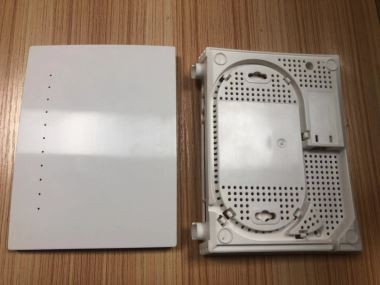


What kinds of electronics injection molding can we do?
Keeping up with plastic molds in electronics can not be easy, but that is why it is so important to have the right molds for different electronic part needs. We have the experience to produce these electronics molds cost-effectively and in a short lead time. That is the reason makes Deep Mould with an ideal choice for your electronic molds.
Why Choose US

Innovation
We are dedicated to improving our systems continually, ensuring that the technology we offer is always cutting edge.
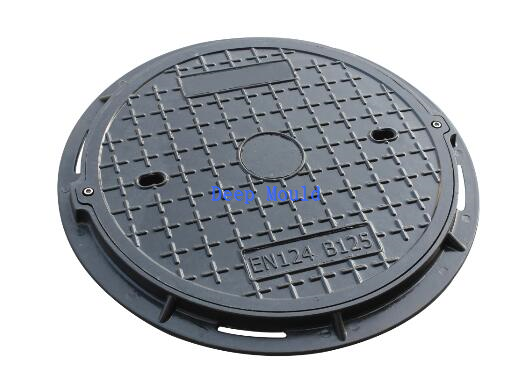
One stop solution
We can offer a range of services, from consultation and advice to product design and delivery. It is a convenience for the customers, as they can get all the help they need in one place.

24h Online Service
We try and respond to all concerns within 24 hours and our teams are always at your disposal in case of any emergencies.

Professional team
Our professional team collaborate and communicate effectively with one another, and are committed to delivering high-quality results. They are capable of handling complex challenges and projects that require their specialized expertise and experience.
Types of Electric Plastic Mold
Unscrewing molds are the most common method of creating threaded holes within a plastic part. These molds are automated with small drive systems (rack & pinion, electric, or hydraulic motors) that are tied into the process and rotate threaded features to extract undercut features. Threads can be internal or external, and the extraction is tied into the press cycle. Multi-shot / multi-component tooling allows a product designer to use two or more dissimilar materials on the same part within the same cycle. There may be a variety of reasons why differing materials would be desired, including different physical properties or simply appearance.
Hot runner tools use a temperature-controlled manifold to greatly reduce or eliminate runner scrap from the cycle. Injection points can be outside the part or directly into the part. This can greatly improve cycle times, as a sprue or runner system is often a determining factor on the mold cycle. And, eliminating the runner saves expensive wasted material.Hot runner molds require a temperature controller for the press they run in, with the controller being sized to match the manifold in the mold. Some mold maintenance costs are higher on a hot runner tool, but they often pay for themselves in the long run through material and cycle time savings. This is particularly true of applications that require expensive engineering grade resins or high annual volumes.
Cold runner molds are good examples of more traditional tooling in that they utilize sprues and runners to gate into the part. This is typically the least complicated form, however may result in larger amounts of wasted material and slower running cycles. Depending on the application, a percentage of wasted material may be re-ground and re-processed for future use, though this could affect the physical properties of the resin.Dealing with more advanced, high-cost materials such as engineering and medical grade resins or the inability to use regrind in your application may lend itself to using a more efficient hot runner mold for your project.
Insulated runner tools resemble more traditional cold runner molds but utilize cartridge heaters or other methods of heating to form a surrounding layer of molten resin, forming an insulated cull to create a similar effect to a hot runner system. This approach is less expensive than using a hot runner which requires a temperature controller and also has the benefit of allowing for faster color and material changes. However insulated runners are not suitable for all types of materials and typically do not work well with more demanding engineering grade resins.
Process Flow of Electric Plastic Mold
Selecting the right thermoplastic and mold
Before the actual process begins, it's key that the right thermoplastics and plastic injection molds are selected or created, as these are the essential elements that create and form the final components.
Feeding and melting the thermoplastic
Injection molding machines can be powered by either hydraulics or electricity. To start the process, raw plastic pellets of the thermoplastic material are fed into the hopper at the top of the machine. This could be virgin material, like plastic resin, or recycled plastic materials. As the screw turns, these plastic pellets are fed gradually into the barrel of the machine. The turning of the screw and the heat from the barrel gradually warm and melt the thermoplastic to melting point until it turns to a molten material.
Injecting the plastic into the mold
Once the melted plastic reaches the end of the barrel, the gate (which controls the injection of plastic) closes and the screw moves back. This draws through a set amount of plastic and builds up the pressure in the reciprocating screw ready for injection. At the same time, the mold halves close together and are held under high pressure, known as clamp pressure.Injection pressure and clamp pressure must be balanced to ensure the part forms correctly and that no plastic escapes the tool during injection. Once the right pressure in the tool and screw is reached, the gate opens, the screw moves forward, and the molten plastic is injected into the mold.
Holding and cooling time
Once most of the plastic is injected into the mold, it is held under pressure for a set period. After the holding phase, the screw draws back, releasing pressure and allowing the part to cool in the mold and the plastic solidifies. This is known as ‘cooling time', it can also range from a few seconds to some minutes and ensures that the component sets correctly before being ejected and finished on the production line.
Ejection and finishing processes
After the holding and cooling times have passed and the part is mostly formed, ejector pins or plates eject the parts from the tool. These drop into a compartment or onto a conveyor belt at the bottom of the machine. In some cases, finishing processes such as polishing, dying or removing excess plastic (known as spurs) may be required, which can be completed by other machinery or operators.
Application Areas of Electric Plastic Molds
Automotive industry
Electric plastic molds are extensively used in the automotive industry to manufacture various components, such as interior trims, ventilation systems, and electronic parts. These molds provide high precision and accuracy, ensuring consistent quality production.
Medical industry
Electric plastic molds are also used in the medical industry for producing various medical devices and equipment, such as syringes, blood collection tubes, and IV components. Electric molds provide aseptic production and are easy to maintain and clean.
Consumer electronics industry
With the increasing demand for electronics, electric plastic molds are highly used in the production of different components, such as phone cases, computers, and other electronic devices' parts.
Packaging industry
Electric plastic molds are used in the production of various types of packaging materials, such as bottles, caps, jars, and containers. These molds provide high accuracy and consistency, offering reliable packaging for products.
Aerospace industry
In the aerospace industry, electric plastic molds are used for producing various components such as air ducts, interior trims, and sealing materials. Electric molds offer high precision and accuracy, which is essential in aerospace applications.
Electric plastic molds are used in the production of plastic parts. They work by using electric power to heat up and melt the plastic material, which is then injected into a mold cavity to create the desired shape.The mold consists of two halves that fit together and form the cavity where the melted plastic is injected. The electric power heats up the mold, which in turn heats up the plastic material. The heating process takes place inside the injection machine, which is where the mold halves are located.Once the plastic material has been heated to the right temperature, it is injected into the mold cavity under high pressure. The pressure is what forces the plastic into the intricate and complex shape of the mold. The plastic then cools inside the mold, taking the shape of the mold cavity.After the plastic has cooled and solidified, the mold is opened and the finished part is ejected. The mold can be used for multiple cycles, creating multiple identical parts.


Remarkable Service
Determine your requirements
Before choosing a mold, it's important to determine your specific requirements such as the type and size of the product, the material to be used, production volume, budget, and delivery timeframe.
Consider the mold material
The mold material should be durable, resistant to wear and tear, and able to withstand high temperatures and pressures. Common mold materials include steel, aluminum, and copper.
Check the mold design
The mold design should be optimized for the production process, with considerations for cycle time, ejector system, gating, and venting.
Evaluate the mold's cooling system
An efficient cooling system is essential for high-quality, consistent production. The cooling system should be designed for optimal cooling efficiency and minimized cycle time.
Test the mold
Before finalizing your purchase, it's important to test the mold to ensure it produces high-quality products consistently and efficiently. This can be done through sample testing and production runs.
Types of Materials Used in Electric Plastic Molds
These are plastic materials that can break down into natural substances through biological processes such as composting. Examples include starch-based plastics, polyhydroxyalkanoates (PHAs), and polylactic acid (PLA). These materials are used in industries such as packaging, agriculture, and bio-medical applications.

01
Thermoplastics
These are materials that can be melted repeatedly and reformed into different shapes. Examples include polyethylene (PE), polypropylene (PP), polystyrene (PS), polyvinyl chloride (PVC), and nylon. These materials are often used in industries such as packaging, automotive parts, and medical devices.
02
Thermosetting plastics
These are materials that cannot be remelted once they have been cured. Examples include epoxy, phenolic, and synthetic resins. These materials are used in industries such as aerospace and electrical components.
03
Elastomers
These are materials that can undergo large deformations and still return to their original shape. Examples include rubber and silicone. These materials are used in industries such as automotive, construction, and medical devices.
04
Reinforced materials
These are materials that are strengthened by the addition of fibers or particles. Examples include glass fiber-reinforced plastics (GFRPs), carbon fiber-reinforced plastics (CFRPs), and metal-filled plastics. These materials are used in industries such as aerospace, automotive, and industrial equipment.
How to Maintain Electric Plastic Molds
Regular cleaning
It is essential to clean the molds regularly, mainly after every production cycle, to remove any debris or residue that may have accumulated on the surface. A clean mold will prevent contamination of the next batch of products and reduce the risk of defects.
Lubrication
Lubricating the molds with a suitable lubricant is necessary to prevent corrosion, rust, and friction. This will ensure the molds can operate smoothly, reducing the risk of wear and tear.
Inspect molds regularly
Regular inspection of the molds helps identify any issues, such as cracks or deformations, that can compromise their functionality. Fixing such issues will help prevent costly repairs and production downtime.
Store molds appropriately
When not in use, electric plastic molds should be stored in a dry, clean, and temperature controlled environment to prevent rust and other damage.
Use the right materials
When manufacturing products using electric plastic molds, it is essential to use the right materials such as high-quality plastics, to prevent damage to the molds, and ensure the manufactured products meet the required standards.
Components of Electric Plastic Mold
Cooling system
A network of channels that facilitate the cooling of the mold and the solidification of the plastic part.
Gate
The small opening through which molten plastic enters the cavity. The gate is often designed to minimize excess plastic or flashing left over after the molding process.
Mold base
A sturdy base that provides structural support to the mold and houses the cavities.
Cavities
These are the hollowed-out spaces in the mold that determine the final shape of the plastic part.
Runner
A system of channels that delivers molten plastic from the sprue to the cavities.
Core
A solid insert that forms the inner surface of the cavity.
Ejector pins
These are small pins that assist in the ejection of the plastic part from the mold.
Sprue
The channel through which molten plastic is injected into the mold.
Things to Note When Using Electric Plastic Mold
It is important to understand the characteristics of the plastic material being used. Different types of plastic materials have different properties, such as melting temperature and viscosity, which can affect the injection molding process. Therefore, it is necessary to select the appropriate plastic material that matches the specific requirements of the product. The mold design plays a crucial role in the injection molding process. A well-designed mold can eliminate defects such as warpage, sink marks and flash, resulting in a high-quality product. The mold design should also take into account factors such as the material flow, cooling rate, and the release of the final product. The injection molding process requires precise control of the temperature, pressure, and cooling rate. These factors can affect the quality of the final product, so it is essential to maintain a consistent and appropriate setting throughout the entire process. Ensuring proper maintenance and cleaning of the electric plastic mold is necessary to extend its lifespan and ensure product quality. Regular maintenance and cleaning can help prevent equipment breakdowns and contamination that may affect the quality of the final product.
How to Use Electric Plastic Mold
Preparation: Firstly, prepare the plastic material or resin that will be used for the injection molding process. The material should be of good quality and should be appropriately dried to avoid any quality issues in the final product.
Loading: The next step is to load the plastic material into the barrel. The material is fed into the machine through a hopper placed on top of the barrel. The barrel is heated to a high temperature to melt the plastic material completely.
Injection: After the plastic is melted, the screw located inside the barrel pushes the melted material towards the mold. The mold is filled with the molten plastic material under high pressure.
Cooling: Once the mold cavity is filled with molten plastic material, the mold is cooled to solidify the plastic into the desired shape. The cooling process is crucial as it helps to ensure the final product is accurate and uniform.
Ejecting the finished product: After the mold is cooled, the finished product is ejected from the mold cavity. The mold opens up, and the finished product is removed from the mold using an automated or manual system.
Inspection: The final step involves rigorous inspection of the finished product to ensure that the product meets the required quality standards.

Factory
Deep Mold provides our clients a total and complete project management from concept to prototyping, through mold design, mold making, injection parts to assembly products of surface finish and finally the shipment at the destination. Our team has rich experience in molds and high quality parts, we have a whole set of advanced mold processing systems and high precision.
FAQ
Q: What is an electric plastic mold?
Q: How does an electric plastic mold work?
Q: What materials are commonly used in electric plastic molds?
Q: What is the advantage of using an electric plastic mold over a traditional mold?
Q: Can an electric plastic mold make complex shapes and designs?
Q: How long does it take to create a plastic part using an electric plastic mold?
Q: What industries typically use electric plastic molds?
Q: How often do electric plastic molds need to be serviced or maintained?
Q: Can an electric plastic mold handle high-volume production?
Q: Are electric plastic molds environmentally friendly?
Q: Do electric plastic molds require a lot of energy to operate?
Q: What safety measures should be taken when operating an electric plastic mold?
Q: Can an electric plastic mold produce parts with consistent quality?
Q: Is it easy to switch between different materials in an electric plastic mold?
Q: Can an electric plastic mold produce parts with different colors or textures?
Q: What is the lifespan of an electric plastic mold?
Q: How much space is needed to operate an electric plastic mold?
Q: Can an electric plastic mold produce parts with different dimensions?
Q: What factors affect the cost of an electric plastic mold?
Q: What is the accuracy level of an electric plastic mold?
We're professional electric plastic mold manufacturers and suppliers in China, supplying the best service. Feel free to buy high quality electric plastic mold made in China from our factory.
Electric Plastic Mold, Wifi Router Cover Electronic Plastic Box Plastic Mold, Electric Injection Molding