


What is Precision Commodity Mold
Precision commodity mold is a type of high-quality mold that is engineered to manufacture a variety of consumer goods with a high level of precision and accuracy. It is typically used in the production of everyday items such as plastic containers, bottles, lids, and other household products. The Precision Commodity Mold is designed to produce products that are uniform in size, shape, and quality. This type of mold is made using state-of-the-art technology and advanced manufacturing processes to ensure a high degree of accuracy and consistency in the manufacturing process. The mold is typically made from materials such as steel and aluminum, which are durable and long-lasting. It is well-suited for high-volume production and is often used in large-scale manufacturing operations.
Benefits of Precision Commodity Mold
High efficiency
Precision molding technology enables manufacturers to produce goods at a faster pace while reducing production costs. It eliminates the need for post-production corrective measures, thus saving time and money that can be invested in other areas of production.
Improved durability
The precision commodity molds are made of high-quality materials that improve the durability and longevity of the manufacturing process. The materials are strong enough to endure harsh manufacturing environments, reducing the need for replacement or repairs.
Versatility
Precision molds can produce a variety of products, including complex shapes that were previously difficult to manufacture. This versatility boosts the potential of manufacturers to expand their product lines, which can lead to increased revenue.
Enhanced productivity
Precision commodity molds allow manufacturers to optimize production, which enhances productivity and reduces waste. The molds create the desired shape and size of the product at once, thus reducing the number of steps and resources required to manufacture products.


What you should know about high quality precision commodity mold?
There are many kinds of injection molds,but the most often you have seen it should be the daily use molds,also named commodity molds which the mold products are for daily life. The products are around your life every where, such as plastic pipe fittings, plastic chairs, plastic tables, plastic crates, plastic containers,plastic bowl,plastic buckets,plastic pallets,plastic boxes, and so on.
Why Choose US

Professional team
Our professional team collaborate and communicate effectively with one another, and are committed to delivering high-quality results. They are capable of handling complex challenges and projects that require their specialized expertise and experience.

Innovation
We are dedicated to improving our systems continually, ensuring that the technology we offer is always cutting edge.

One stop solution
We can offer a range of services, from consultation and advice to product design and delivery. It is a convenience for the customers, as they can get all the help they need in one place.
24h online service
We try and respond to all concerns within 24 hours and our teams are always at your disposal in case of any emergencies.
Types of Precision Commodity Mold
It is designed with cavities and cores that have the exact shape and size required for creating mop buckets. Mop bucket moulds are made using a variety of materials such as steel, aluminum, and plastic to ensure durability and long-lasting performance. The moulding process involves injecting molten plastic into the mould cavity, which is then cooled and extracted from the mould to create the final product.
It is made of high-quality materials to ensure durability and longevity, which makes it ideal for the manufacturing of large volumes of washing machines. The mold features precise and intricate designs that translate into a high-quality finished product. Its mechanism allows for easy extraction of the molded part, which results in consistent and accurate manufacturing. This injection mold delivers exceptional performance and reliability, making it a popular choice for leading appliance manufacturers in the industry.
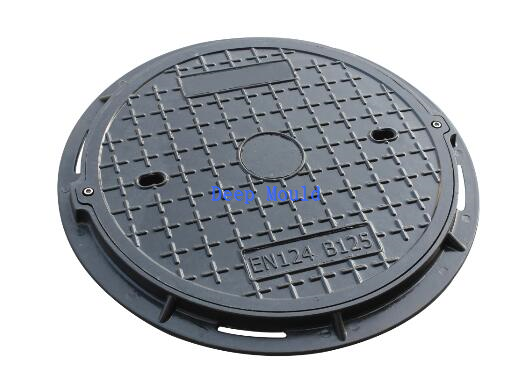
Manhole cover molds are specially designed and manufactured tools used in the production of manhole covers. These molds are typically made from durable materials such as steel or aluminum, and are engineered to create precise and accurate shapes. Manhole cover molds play a critical role in many industries, ranging from construction to municipal services, and are an essential component in the production of high-quality manhole covers.
It is designed to form a cavity in the shape of a bucket and to provide a mechanism for filling, cooling, and ejection of the finished product. The mold is made of steel and consists of two halves, the core and the cavity, which are clamped together during the molding process. The plastic material is forced into the mold under pressure and then cooled and solidified to form a durable and sturdy plastic bucket.

The precision commodity mold is a type of mold used in the manufacturing of precise and high-quality commodity products. It is designed to have a high level of accuracy and efficiency in producing complex shapes and designs. The first step is to design the mold, taking into account the specific requirements of the product. This is done using computer-aided design (CAD) software, which allows for precise measurements and calculations.Once the mold design is complete, the mold is created from high-quality materials such as steel or aluminum. The mold is then carefully machined to ensure that all surfaces are smooth and precise, and the desired shape is achieved.When the mold is ready, it is mounted onto a machine and the molding process begins. The process involves injecting molten plastic into the mold cavity under high pressure. The plastic is then allowed to cool and harden, taking on the shape of the mold.After the plastic has solidified, the mold is opened and the finished product is removed. The precision commodity mold is designed to produce high-quality products with minimal waste, making it an efficient and cost-effective option for manufacturers.
Materials Used in Precision Commodity Molds
High-quality steel is commonly used to create the mold cavity and core. Steel is a durable and wear-resistant material that can withstand the high pressures and temperatures needed to produce plastic parts. Depending on the mold design and requirements, different types of steel alloys may be used to achieve specific properties such as hardness, toughness, and corrosion resistance.
Aluminum
For lower-volume production runs, aluminum may be used to construct the mold. Aluminum is a lightweight and low-cost material that can be easily machined to create complex geometries. It is also a good conductor of heat, which can help to reduce cycle times in the injection molding process.
Copper alloys
Copper alloys such as beryllium copper are often used for the mold inserts, which are the components that create the fine details of the part. These alloys have excellent thermal conductivity and can be easily machined to create intricate shapes and features.
Tooling board
In some cases, tooling board may be used to create the mold cavity and core. Tooling board is a high-density foam material that can be milled to form the desired shapes and details. While not as durable as steel, tooling board can be a cost-effective solution for low-volume production runs or prototyping.
Production Technology of Precision Commodity Molds
The mold design is subjected to simulations using mold flow analysis software. This stage is crucial as it determines the mold's functionality and effectiveness in producing the desired product. Several factors such as mold temperature, filling pressure, and cooling time are considered in the simulation process.

01
Mold design
The design of the mold is created using computer-aided design (CAD) software. This stage involves the creation of a detailed 3D model of the mold, which includes all the necessary components and specifications. The design should factor in the product's size, shape, and functionality.
02
Produce mold parts
The mold design is transferred to a CNC machine for the production of the mold components. The CNC machine cuts, shapes, and drills the mold components with great precision, following the original design and specifications.
03
Verification test
Assembling the mold components and conducting verification tests to ensure quality and functionality. This stage is critical as it involves identifying potential defects and correcting them before mass production.
04
Mass production
The molds are ready for mass production. This involves the injection molding process, where molten plastic is injected into the precision commodity mold to form the desired shape and size. The molds are designed for longevity, and with proper maintenance and care, they can produce thousands of plastic products efficiently and effectively.
Precision Commodity Mold Manufacturing Process
Design and development
The first step in precision mold manufacturing is designing and developing the mold. Skilled engineers and designers use computer-aided design (CAD) software to create a 3D model of the mold and its components.
Material selection
The choice of material for the mold is critical. Factors such as the type of product to be molded, the expected production volume, and cost are considered when selecting the material.
CNC machining
Once the mold design is finalized, Computer Numeric Control (CNC) machines are used to cut and shape the mold components with precision. CNC machines can work with different types of materials such as metals, plastics, and composites.
Finishing
After CNC machining, precision processes like polishing, lapping, and wire EDM (Electrical Discharge Machining) are carried out to ensure the mold surfaces are smooth, free from burrs, and have precise dimensions.
Assembly
Once all the components are ready, the mold is assembled. The intricate components are put together with extreme precision to ensure the mold functions correctly.
Testing and inspection
Once the mold is assembled, it undergoes rigorous testing and inspection to ensure it meets the required quality standards. Tests include dry runs to check for proper alignment and functioning.
Application Scope of Precision Commodity Molds
Household appliances
Precision commodity molds are used to produce various home appliances such as washing machines, refrigerators, air conditioners, and vacuum cleaners with high precision and accuracy.
Consumer electronics
They are used for the production of electronic devices such as smartphones, laptops, and tablets with high accuracy and tight tolerances.
Packaging industry
Precision commodity molds are used for the production of packaging materials such as containers, bottles, and caps with high precision and uniformity.
Automotive industry
They are used for the production of automotive parts and components such as dashboard panels, steering wheels, and air conditioner vents with high precision and accuracy.
Medical industry
Precision commodity molds are used for the production of medical devices and equipment such as syringes, inhalers, and insulin pens with high precision and strict quality control.

The structure of a precision commodity mold is an intricate and highly precise system of interconnected parts and components. At the core of the precision commodity mold are the cavity and core blocks, which are responsible for shaping the part being produced. These blocks are typically made from hardened steel and are carefully machined and polished to ensure accuracy and precision. They are also designed with complex cooling channels to regulate the temperature of the molding process.The ejection system is another critical component of the mold. This system includes the ejector pins, which help to release the molded part from the cavity, and the knockout rods, which push the parts out of the mold. The design of these components is critical to ensuring smooth and efficient ejection of the finished parts.Other important features of a precision commodity mold include the gating system, which controls the flow of material into the mold cavity, and the runner and sprue systems, which regulate the flow of material within the mold. These systems are typically designed to minimize waste and reduce cycle times, improving productivity and efficiency.the mold base provides a stable and secure platform for the mold components. This base may include features such as cooling channels, alignment pins, and mounting holes for attaching the mold to the molding machine.
How to Maintain Precision Commodity Molds
Regular cleaning is critical for keeping the molds in proper shape. It helps prevent the buildup of contaminants and extends the life of the mold. The molds should be thoroughly cleaned after every production cycle, and all residues should be removed.

01
Lubrication
Lubrication is essential in ensuring smooth and efficient mold operation. The lubricant should be applied to the mold's moving parts before every use to ensure optimal performance.
02
Storage
Molds should be stored in a dry and cool environment to prevent rusting and corrosion. Adequate storage prolongs the life of the mold and ensures that it functions correctly the next time it is used.
03
Proper handling
The molds should be handled with care during handling, transportation, and maintenance. Any mishandling can cause damage, leading to a reduction in accuracy and consistency.
04
Inspection
Regular inspection of the molds is crucial to identify wear and tear. Inspection helps detect any deformation, cracks, or scratches that can affect the mold's performance. Any damaged molds should be repaired or replaced as soon as possible.
Competitive advantage
Material Type
The material to be used for molding is important in determining the type of mold needed. Different materials have different properties and require specific molding techniques. Some molds are better suited for softer or more brittle materials, while others are more suited for harder and more durable materials.
01
Part Design
The design of the part to be molded will determine the complexity of the mold needed. Complex designs will require more intricate molds, while simple designs may require simpler molds. The mold must be able to capture all the details of the part, including any intricate features, without any distortion.
02
Production Volume
The number of parts needed will also determine the type of mold required. For smaller production runs, a more affordable mold may be sufficient. However, for high-volume production runs, a more durable and robust mold will be necessary to ensure consistent quality and longevity.
03
Lead Time
The turnaround time required for the mold will be an essential factor in deciding which mold to choose. Different types of molds require different lead times. If you need the mold to be delivered quickly, you may need to consider a more basic mold.
04
Mold Cost
The cost of the mold may be a significant consideration, especially for smaller businesses or those on a tight budget. Basic molds are typically more affordable, while more complex and advanced molds will be more expensive.
05
The Purpose of Precision Commodity Mold
Design and Creation of Mold: The first step involves designing and creating a mold that will be used to manufacture the desired parts. The mold is made with extreme precision and accuracy to ensure that the end products are accurate and of high quality.
Inserting Material: Once the mold is created, the desired material is inserted into the mold. This is typically done by melting the material and then injecting it into the mold.
Mold Closing: After the material is poured into the mold, it is closed tightly so that the material can take the shape of the mold. This involves clamping the mold securely, ensuring that it stays in place during the manufacturing process.
Cooling: The next step is to cool the material, which allows it to harden and take on the shape of the mold. Cooling times can vary depending on the material used and the complexity of the part being manufactured.
Ejection: Once the material has cooled, the next step is to eject the part from the mold. This involves opening the mold and removing the part from the mold cavity.
Surface Finishing: After ejection, the final step involves surface finishing of the part to remove any rough edges or unwanted material. This allows the part to have a smooth and finished surface that is ready for use.
The use of advanced mold design software and manufacturing technology has enabled precision molds to achieve higher accuracy and efficiency. The development of precision molds has also brought about a significant reduction in production costs, as the use of such molds allows for greater resource utilization.
Moreover, customization has become a key factor in the development of precision daily necessities molds. Customers now expect to be able to customize their products according to their specific needs, and precision molds are ideal for this purpose. Customization also allows manufacturers to differentiate themselves from their competitors, thereby increasing their market share.
Another important trend is the use of environmentally friendly materials in the production of daily necessities. Precision molds can be used to produce products that are environmentally friendly and sustainable. This trend is expected to continue with the adoption of new materials that are bio-based and renewable.

Factory
Deep Mold provides our clients a total and complete project management from concept to prototyping, through mold design, mold making, injection parts to assembly products of surface finish and finally the shipment at the destination. Our team has rich experience in molds and high quality parts, we have a whole set of advanced mold processing systems and high precision.
FAQ
Q: What is a precision mold?
Q: What is precision plastic?
Q: What is DFM in mould design?
Q: What is the difference between CNC and mold?
Q: What is precision injection Moulding?
Q: What plastic is best for precision machining?
Q: How were molds made before CNC?
Q: Is CNC better than forged?
Q: What is CNC in plastic?
Q: What is the function of precision commodity molds?
Q: What are the classifications of precision commodity molds?
Q: Why do we need to use precision commodity molds?
Q: What are the advantages of mould?
Q: What are the advantages of molding?
Q: What is the importance of mold in industry?
Q: What is the importance of molding process?
Q: What is the purpose of molding?
Q: What is precision Moulding?
Q: What is precision fabrication?
Q: What are the 4 stages of injection moulding?
We're professional precision commodity mold manufacturers and suppliers in China, supplying the best service. Feel free to buy high quality precision commodity mold made in China from our factory.
Manhole Cover Molds, Precision Plastic Box Mold, Plastic Container Molds