

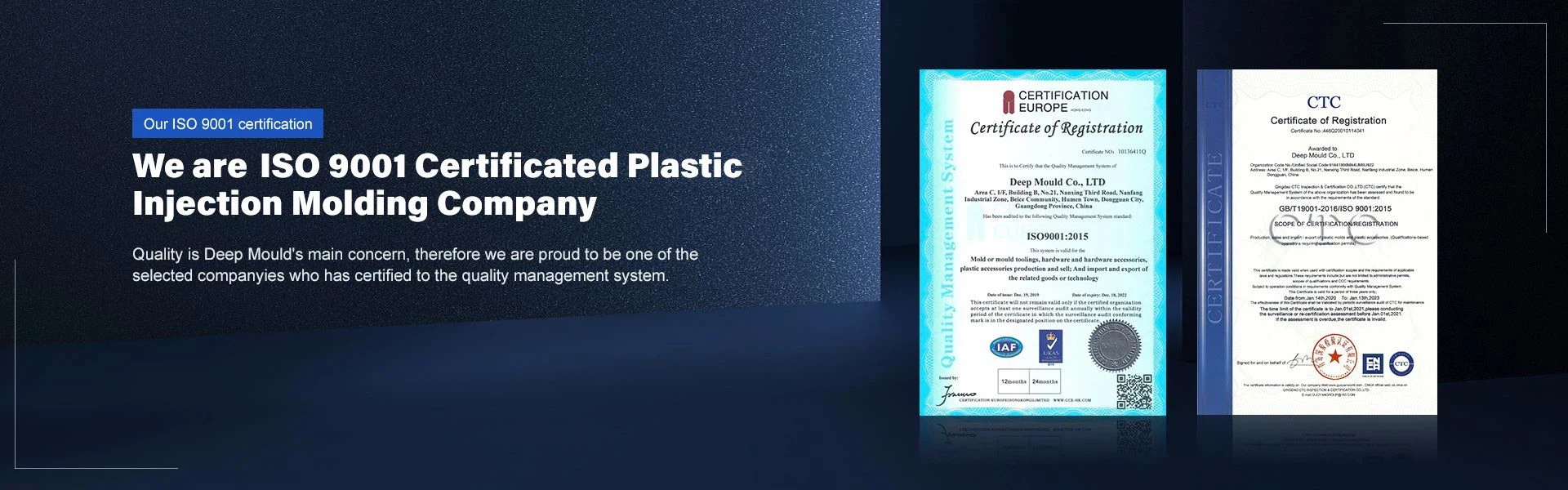
What is Precision Injection Molding
Precise injection molding that requires great accuracy. It is not used to produce an entire product, but instead for rare occasions when a project requires a precise form of plastic injection molding. The precise plastic parts produced are often used to replace high-precision metal parts in instruments, electronics, optics, medical devices, and more. It is because of these requirements that precision injection molding requires a precision mold and precision machines. Precision molding is a sophisticated process. A precision injection mold has dimensional tolerances controlled below 1/3 of the dimensional tolerance of products. The precision of the mold depends on the precision of the cavity size and number of cavities in the design, positioning of the cavity, precision of the parting surface, material selection, and dimensional tolerance. The thickness of the bottom plate, supporting plate, and cavity wall as well as the runner size are all important factors of the precision mold. Design engineering is equally important. The mold is usually made of alloy steel, which has high mechanical strength.
Benefits of Precision Injection Molding
High precision and accuracy
Precise injection molding ensures that the finished product meets the exact specifications required. The process is highly automated and controlled, resulting in consistent quality parts every time.
Faster production
The automation of the injection molding process means that parts can be produced at a much faster rate than traditional manufacturing processes. This is especially useful in industries that require high volume, rapid production.
Versatile
Precise injection molding can be employed for the manufacturing of a wide range of parts with varying dimensions and complexities. This process can produce parts with intricate shapes and designs that would be difficult to achieve with other manufacturing processes.
Cost-effective
Precise injection molding is a cost-effective manufacturing process, as it minimizes material waste and reduces the need for additional finishing processes. The molds used for this process are also durable and can be used repeatedly, reducing the overall cost of production.
Precise injection molding that makes all the difference
Gone are the days when mass production was too expensive and hard to control. With Deep Mould, you can now make the most of precision injection molding to streamline it. This technique encompasses everything from a marked reduction in the costs to spot-on reproducibility of parts in succession. It can become your most efficient way of producing top-quality items in the quantity that is needed to cope with the market demand.
We’re the only precision injection molding company that blends the technical know-how, experience, and state-of-the-art machinery under one roof. This allows us to handle projects of virtually all sizes while carefully controlling every manufacturing step. As a result, you’ll be provided with the desired number of standardized parts promptly.
Our mold sets are adjusted to utilize top-grade steel for bases and cavities. That means that the molten plastic, when filled and cooled, doesn’t cause any damage to the equipment itself. Consequently, its service life is extended, and the cost for you is reduced.

Why Choose US

Innovation
We are dedicated to improving our systems continually, ensuring that the technology we offer is always cutting edge.
One stop solution
We can offer a range of services, from consultation and advice to product design and delivery. It is a convenience for the customers, as they can get all the help they need in one place.

24h online service
We try and respond to all concerns within 24 hours and our teams are always at your disposal in case of any emergencies.

Professional team
Our professional team collaborate and communicate effectively with one another, and are committed to delivering high-quality results. They are capable of handling complex challenges and projects that require their specialized expertise and experience.

Types of Precise Injection Molding
Multi-cavity molding
Multi-cavity molding involves the creation of multiple identical parts in a single mold. This process is often used to create high-volume production runs of plastic parts. Multi-cavity molding can be used for a wide variety of applications, from automotive components to consumer products.
Over molding
Over molding involves molding one material over another material. This process is often used to create soft-touch grips or handles on plastic parts. Over molding can also be used to create parts with multiple colors or textures.
Two-shot molding
Two-shot molding involves injecting two different materials into the mold at the same time. This process can be used to create parts with multiple colors or materials. Two-shot molding is often used to create high-end consumer products such as cell phone cases.
Insert molding
In insert molding, a metal or plastic insert is inserted into the mold prior to injection. The plastic is then injected around the insert, creating a single piece with the insert embedded inside. This type of precise molding is used to create parts with complex geometries and multiple components.
Micro-injection molding
Micro-injection molding is one of the most popular types of precise molding. This process is used to create extremely small, complex plastic parts. These parts can have a variety of applications, including medical devices and electronics.
Thermal shrinkage is a thermophysical property inherent to the molding material and the mold material. The precision mold temperature is high, the temperature of the product is also high, and the actual shrinkage rate will increase, so the temperature of the precision injection mold should not be too high.Phase change shrinkage is called phase change shrinkage due to the crystallization of polymer in the process of orientation of crystalline resin, which is caused by the reduction of specific volume.
High mold temperature, high crystallinity, large shrinkage; but on the other hand, the increase in crystallinity will increase the density of the product, reduce the coefficient of linear expansion, the shrinkage rate is reduced. Shrinkage in the direction of orientation, due to the forced stretching of molecular chains in the direction of flow, so that the macromolecules in the cooling tend to recoil and recover, in the direction of orientation will produce shrinkage.The degree of molecular orientation is related to injection pressure, injection speed, resin temperature, and mold temperature. But the main one is the injection speed.Compression shrinkage and elastic restoration, general plastics are compressive. That is, the specific volume changes significantly under high pressure.

How can Quality Control be Maintained in Precision Injection Molding

Process validation
It is important to establish a validation process to ensure that the injection molding process is consistent and meets the required specifications. Validation involves conducting tests and measuring critical parameters such as pressure, temperature, and flow rate to ensure that the process is in control.
Quality assurance plan
Developing a quality assurance plan that outlines the processes, procedures, and standards for the manufacturing process is critical in maintaining quality control. This plan should include specifications for materials, equipment, and operating conditions.
Employee training
Training and educating employees on quality control principles and procedures is essential in ensuring that everyone understands the importance of maintaining quality. Employees should be trained on proper handling of materials, operating conditions, and inspection techniques.
Inspection and testing
Regular inspection and testing of the products is necessary to ensure that they meet the required specifications. For precision injection molding, visual inspection, dimensional measurement, and functionality testing are critical to maintaining product quality.
Equipment maintenance
Regular maintenance of the injection molding equipment is essential to avoid downtime and ensure consistent production. Preventive maintenance procedures such as equipment cleaning, lubrication, and calibration should be followed.
Use Materials Required for Precision Injection Molding
Thermoplastics
These are the most commonly used materials in injection molding. They are highly versatile and can be molded into a wide range of shapes and sizes. Examples include polyethylene, polypropylene, polystyrene, PVC, and nylon.
Thermosets
These materials are highly rigid and durable, making them ideal for applications that require strength and toughness. Examples include epoxy and phenolic resins.
Elastomers
These are materials that have high elasticity and flexibility, allowing them to stretch and bend without breaking or losing their shape. Examples include rubber and silicone.
Composites
These are materials that are made up of two or more different types of materials, such as plastics, metals, and ceramics. They offer unique properties and characteristics that are superior to those of the individual components.
Additives
These are substances that are added to the raw materials to enhance their properties or improve their performance. Examples include fillers, reinforcements, lubricants, and flame retardants.
Colorants
These are additives that are used to add color to the final product. They can be added in the form of pellets or liquid dyes.
Mold release agents
These are materials that are used to prevent the molded part from sticking to the mold during the manufacturing process. They can be applied as sprays or coatings.
Mold base materials
These are the materials used to make the mold itself, such as steel, aluminum, or copper.

This process requires precision and accuracy in every step, from designing the mold to selecting the appropriate plastic material and controlling the injection process.The mold is typically made of metal and consists of two halves that fit together perfectly. The mold is designed to include the features and details of the final product, such as holes, threads, and textures.the plastic material is selected based on the required properties of the final product, such as strength, flexibility, and heat tolerance. The plastic material is heated to a specific temperature and melted in a barrel. Once the molten plastic reaches the desired temperature and viscosity, it is injected into the mold.
The injection of plastic into the mold is a carefully controlled process that requires precision and accuracy. A machine with a nozzle injects the molten plastic into the mold at a high pressure and with a specific flow rate. The plastic quickly fills up the mold and then cools and solidifies to take on the shape of the mold.After the plastic has cooled and solidified, the two halves of the mold are opened to reveal the final product. The finished product may require additional post-processing steps, such as trimming or painting, to ensure its quality and functionality.
Applications of Precision Injection Molding
Precision injection molding is used to produce a wide range of automotive components, including dashboards, fenders, interior parts, and seals. The process allows manufacturers to create parts that are lightweight yet strong, resistant to wear and tear and capable of withstanding extreme temperatures.
01
Medical equipment manufacturing
Precision injection molding is widely used in the production of medical devices and equipment. The process allows manufacturers to create complex and sterile components that meet the strict regulatory standards of the medical industry.
02
Electronic component manufacturing
Injection molding is used to produce high-precision components for the electronic industry, such as connectors, switches, and housing units. The process ensures that the electronic components are durable, resistant to environmental factors and perform at an optimum level.
03
Aerospace industry
Aerospace manufacturers use precision injection molding to produce high-strength and durable components for space shuttles, satellites, and aircraft. The process allows for the production of complex parts with exacting specifications and tolerances.
04
Consumer product manufacturing
Injection molding is used to produce a wide variety of consumer products, such as toys, kitchenware, and household appliances. The process allows for the creation of high-quality products that are visually appealing, safe and easy to use.
Precision Injection Molding Manufacturing Process
The plastic material is melted and mixed to the desired specifications. Colorants and other additives can be added at this stage to customize the material for specific applications.
Finishing
Once the part is ejected, it is examined for any defects or imperfections. It is then trimmed and finished to remove any excess material or rough edges. This step is critical to ensure that the part meets the precise tolerances required.
Designing the Mold
The first step in precision injection molding is to design the mold. The mold is a tool that is used to shape the plastic into the desired shape. It is designed using computer-aided design (CAD) software and is highly precise to ensure high-quality parts.
Injection Molding
The prepared material is injected into the mold under high pressure. The injection molding machine is carefully controlled to ensure that the material fills the mold cavity completely and accurately, and that the pressure and temperature are maintained at the optimal level.
Cooling and Ejection
After the material has been injected, it is allowed to cool and solidify inside the mold. Once the plastic has hardened, the mold is opened and the part is ejected. This is done carefully to ensure that the part is not damaged or distorted.
Maintenance of Precision Injection Molding
Regular equipment inspection
Proper equipment inspection is the first step in ensuring that your precision injection molding machine is functioning optimally. Inspection should be carried out regularly as scheduled in the manufacturer's manual. This will help you identify signs of wear and tear or parts that need replacement.
Lubrication of moving parts
Precision injection molding machines have many moving parts that must be well lubricated to prevent wear and tear. Regular lubrication of these moving parts will improve their lifespan and optimize machine performance.
Cleaning of machine parts
Regular cleaning of machine parts is essential to ensure that they are free from dirt, dust, and other debris that can cause wear and tear or affect the quality of the finished parts.
Calibration and alignment
Precision injection molding machines require calibration and alignment to ensure they produce accurate parts. This process involves regularly checking and adjusting the settings and parameters of your machine to ensure it performs at its optimum.
Replacement of worn-out parts
Over time, some parts of your precision injection molding machine will wear out and need to be replaced. Replacing worn-out parts on time will help prevent more significant damage to the machine and ensure that it continues to produce quality parts.
Continuous training of operators
Operators responsible for running the precision injection molding machine should receive regular training to ensure that they are up-to-date on best practices, safety procedures, and machine maintenance.
How to Choose Precise Injection Molding
Understand the Types of Injection Molding
There are several types of injection molding, including conventional injection molding, rapid injection molding, overmolding, insert molding, micro-molding, and two-shot molding. Each method has its benefits and limitations, and the choice depends on the specific application and desired outcomes.
Analyze the Part Design
Part design is a crucial factor that determines the quality and performance of the final product. Consider the part's size, complexity, and wall thickness and select a suitable injection molding process that can produce precise and accurate parts.
Identify the Material Properties
Different materials have unique properties that affect the injection molding process. The material's viscosity, fluidity, and shrinkage rate are vital factors that influence the mold design and processing parameters.
Select the Mold Design
The mold design has a significant impact on the final part's quality, surface finish, and dimensional accuracy. The mold's gate location, runner system, cooling channels, and ejection mechanism are essential factors that affect the mold's performance and efficiency.
Estimate the Production Volume
The production volume determines the feasibility of the injection molding process. Low to medium volume applications can opt for rapid or bridge tooling, while high volume projects may require larger and more robust molds.
Evaluate the Project Costs
The injection molding process's cost includes the material, mold, and labor expenses, among others. By evaluating the project costs, you can determine the most cost-effective injection molding process that can meet your quality and efficiency requirements.
Precision injection molding and ordinary injection molding are two different manufacturing processes used to produce plastic parts. The main difference between the two is the level of accuracy and control achieved during the process.
Precision injection molding is a highly specialized technique that is used to produce complex, high-quality plastic parts with tight tolerances and fine details. This process is used for the production of parts that require precise and consistent dimensions, as well as those with complex geometries.The key to precision injection molding is the use of high-quality equipment and advanced technology. This process uses computer-controlled machines to inject molten plastic into a mold that has been precisely designed to the desired shape and specifications. During the process, the temperature, pressure, and injection speed are closely monitored and adjusted to ensure optimal mold filling and part quality.
Ordinary injection molding is a more traditional and cost-effective method of manufacturing plastic parts. This process is used for the production of simpler parts that do not require high levels of precision or complex geometries.Ordinary injection molding also involves the use of a mold, but the process is less controlled and typically results in more variation in part dimensions and quality. This process is suitable for producing parts in high volumes and at a lower cost.
What Is the Precision of Precision Injection Molding
Precision injection molding is a manufacturing process that involves injecting molten plastic material into a mold cavity with extreme accuracy and consistency. The precision of this process refers to the ability to control and maintain the desired dimensions, shape, and physical properties of the final product. The precision of precision injection molding is achieved through several key factors, including the design and construction of the mold, the selection and preparation of the material, the injection speed and pressure, and the cooling and curing process. The mold must be precisely engineered to meet the desired specifications and tolerances, and the material must be chosen carefully for its specific properties and compatibility with the mold and process.
The injection speed and pressure must be carefully controlled to ensure that the material is distributed evenly and fills the mold cavity completely without causing any defects or deformities. The cooling and curing process must also be precisely managed to avoid warping, cracking, or other issues that can affect the final product's quality and consistency. The precision of precision injection molding enables it to produce complex and intricate parts with high accuracy, consistency, and repeatability. This process is used in a wide range of industries, including automotive, medical devices, consumer products, electronics, and industrial applications.

Factory
Deep Mold provides our clients a total and complete project management from concept to prototyping, through mold design, mold making, injection parts to assembly products of surface finish and finally the shipment at the destination. Our team has rich experience in molds and high quality parts, we have a whole set of advanced mold processing systems and high precision.
FAQ
Q: What is the minimum precision in injection molding?
Q: What is detailed injection moulding process?
Q: What is the accuracy of injection molding?
Q: What are the two common types of injection molding processes?
Q: What is the difference between injection molding and precision molding?
Q: What are the most important parameters in injection molding?
Q: What is the difference between injection and moulding?
Q: What are the 4 stages of injection molding?
Q: What are the main parts of an injection molding machine?
Q: What is precision injection molding?
Q: What makes precision injection molding more accurate than traditional injection molding?
Q: What types of products are typically made using precision injection molding?
Q: What kind of materials can be used in precision injection molding?
Q: How does the precision injection molding process work?
Q: What are the benefits of precision injection molding?
Q: How can precision injection molding improve product quality?
Q: What kind of industries use precision injection molding?
Q: What is the difference between high-precision and standard precision injection molding?
Q: What kind of equipment is used in precision injection molding?
Q: How important is the design process for precision injection molding?
We're professional precise injection molding manufacturers and suppliers in China, supplying the best service. Feel free to buy high quality precise injection molding made in China from our factory.
Precision Hardware, Injection Molding For Male Insulator M8x1, Bi Injection 2K Injection Molding