
Custom Automotive Plastic Molds: From Product Design To Mass Production
Leave a message
Automotive plastic parts often look simple from the outside, but the tooling behind them can be much more involved. A part may need clips, ribs, mounting features, curved surfaces, or tight dimensional requirements. At the same time, the mold needs to support stable production and fit the customer's expected volume.
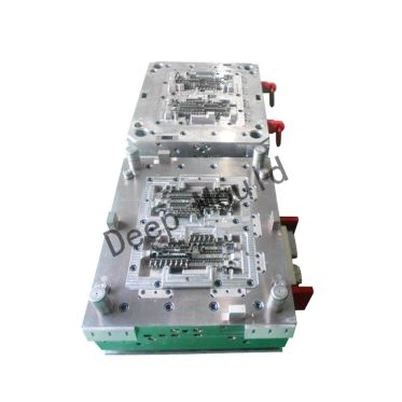
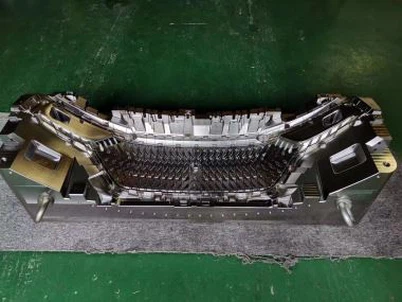
For automotive brands, Custom Automotive Plastic Molds offer a more practical option than standard tooling. The mold can follow the actual part design, plastic material, surface requirements, production quantity, and assembly conditions. As a result, the tooling process starts with the product rather than a fixed mold structure.
Key Considerations for Automotive Plastic Molding
Automotive components need consistent results over repeated production cycles. Interior panels, housings, handles, functional assemblies, and other plastic parts must maintain their shape and dimensions during assembly and normal use.
However, the mold design directly affects how well a part can be produced. Gate location, cooling layout, draft angles, ejection structure, and part geometry all need to work together. If these details are not considered early, the project may require extra revisions later.
That is why Precision Automotive Plastic Molds should start with a review of the part itself. Engineers can identify potential molding issues before the tooling stage and make adjustments based on the actual application.

What to Consider Before Automotive Mold Production
Cost is important, but it is not the only concern. Automotive brands also need to consider tooling stability, production consistency, development time, and future production volume.
For example, a design may work well as a prototype but become difficult to run consistently during mass production. Likewise, a complex structure may require additional sliders, inserts, or other tooling features. These decisions can affect both the mold cost and the production process.
With Complex Automotive Plastic Molds, the goal is not simply to make the mold more complicated. Instead, the tooling should provide a workable solution for the part design and production requirements.
Early communication can also reduce unnecessary changes. When customers provide 2D drawings, 3D CAD files, samples, material information, or other specifications, the engineering team can review the project from a manufacturing perspective.
Balancing Quality, Surface Finish, and Production Needs
Automotive plastic parts may have both functional and visual requirements. For visible components, surface appearance matters. For internal or structural parts, dimensional consistency and fit may take priority.
Therefore, High-Precision Automotive Plastic Molds need to consider the final application as well as the mold itself. Mold machining accuracy, part geometry, plastic material, and injection conditions all influence the finished component.
Different parts may also require different surface textures. Depending on the product requirements, the tooling can support smooth, matte, or textured finishes.
The right solution does not always mean using the most complicated tooling. In many cases, a clear understanding of the part and production conditions helps engineers choose a simpler and more practical structure.
From Prototype to Mass Production
Automotive projects do not always start with high-volume production. New products may first go through prototypes, engineering samples, or small trial batches. At this stage, the main goal is often to confirm the design and make sure the part works as expected.
Deep Mould supports this process through 3D printing, vacuum casting, and CNC machining. After the design reaches the required stage, the project can move into mold manufacturing and plastic injection molding.
This approach gives brands more flexibility during development. It also allows the engineering team to consider production requirements before the project reaches full volume.
For projects that need Low-Volume Automotive Plastic Molds, the tooling strategy can be planned according to the expected quantity. For higher-volume programs, the focus can shift toward cycle efficiency, repeatability, and long-term production stability.
Choosing a Custom Automotive Mold Manufacturer
Choosing a tooling supplier involves more than checking whether the supplier can build a mold. The mold also needs to work with the part design, plastic material, injection process, and final assembly requirements.
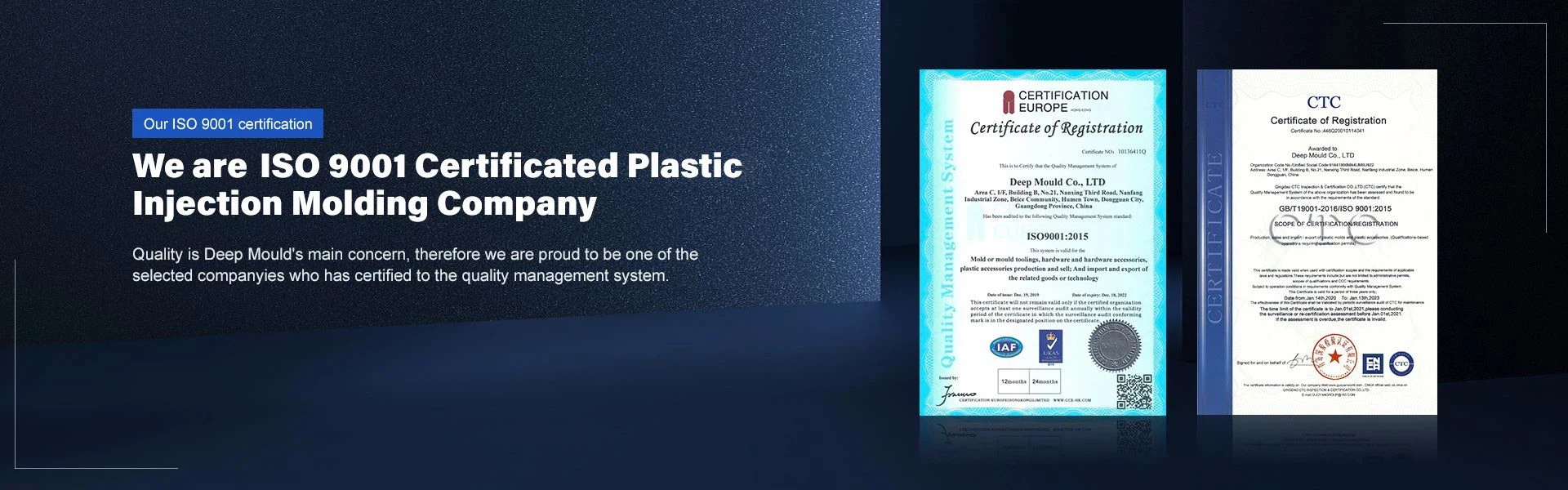
Deep Mould has provided manufacturing services in Dongguan, China since 2016. Our current facility covers more than 6,000 square meters and has a team of over 80 employees. We provide mold design and manufacturing, plastic injection molding, 3D printing, vacuum casting, CNC machining, and related metal manufacturing services.
For each project, our team reviews the drawings, 3D files, samples, specifications, and production requirements provided by the customer. Based on this information, we develop Custom Injection Molds for Automotive Parts that match the part structure and planned production volume.
We support different stages of a project, from prototype development and sample production to low-volume and mass production. This allows the tooling plan to be adjusted according to the actual needs of the project rather than following a fixed approach.
For brands sourcing Durable Automotive Plastic Molds or Cost-Effective Automotive Plastic Molds, mold price should not be the only factor. The part structure, mold design, material, expected quantity, production method, and future production plans can all influence the overall cost and performance of the project.
Custom Tooling Based on Your Automotive Part
Automotive plastic parts can have very different requirements. Some components mainly require a good surface appearance, while others need tight dimensions, mounting features, or more complicated geometries. Production volume can also vary from a small initial batch to long-term mass production.
Because of these differences, Custom Automotive Plastic Molds should be designed around the actual part and its intended use. Mold structure, cooling, ejection, gate location, and other details can be considered according to the product requirements.
Deep Mould works with automotive and industrial customers on mold development and plastic part production. Our engineering team reviews the product design and manufacturing requirements before tooling begins, helping identify practical solutions for the project.
When you have a new automotive plastic component, you can provide drawings, samples, 3D models, or basic specifications for review. We can then evaluate the mold requirements and discuss a suitable manufacturing approach based on your product and production needs.