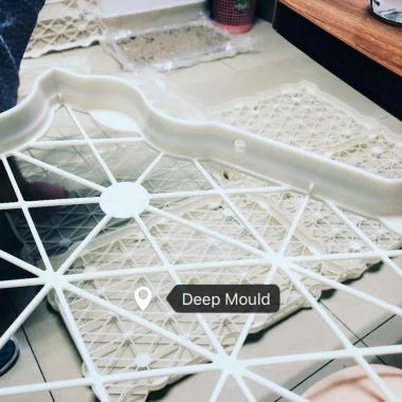


Precision Plastic Injection Molding For Demanding Applications
Leave a message
Plastic components used in assemblies often need to meet specific dimensional and functional requirements. Mounting holes must align with mating parts, locking features need to fit properly, and housing surfaces must retain their intended shape. Even minor dimensional variations can affect part fit and make assembly more difficult.
For these applications, precision plastic injection molding involves more than controlling the injection process. Part geometry, mold design, material selection, and processing conditions all influence the dimensions and consistency of the finished component. These factors need to be considered together to ensure that molded parts meet the requirements of their intended application.
Deep Mould provides custom plastic injection molding services based on customer drawings, material specifications, and application requirements. Each project is assessed according to its part structure and production needs.
Evaluating Functional Requirements in Plastic Part Design
Not every plastic component requires tight dimensional tolerances. However, closer control becomes important when several features must work together during assembly.
Consider a plastic housing with mounting holes, internal supports, and connector openings. If the hole positions vary, the housing may not align properly with its mating components. Similarly, side clips and snap-fit structures need suitable dimensions to provide the intended engagement without making assembly difficult.
Automotive components and industrial equipment parts can present similar challenges. Some molded parts connect directly with metal brackets, while others need to maintain clearance around moving components.
For this reason, engineers should identify critical dimensions at the beginning of a project. They should distinguish between functional features, assembly surfaces, and cosmetic areas. This helps establish practical tolerances without adding unnecessary machining or tooling costs.
Mold Design for Parts with Complex Features
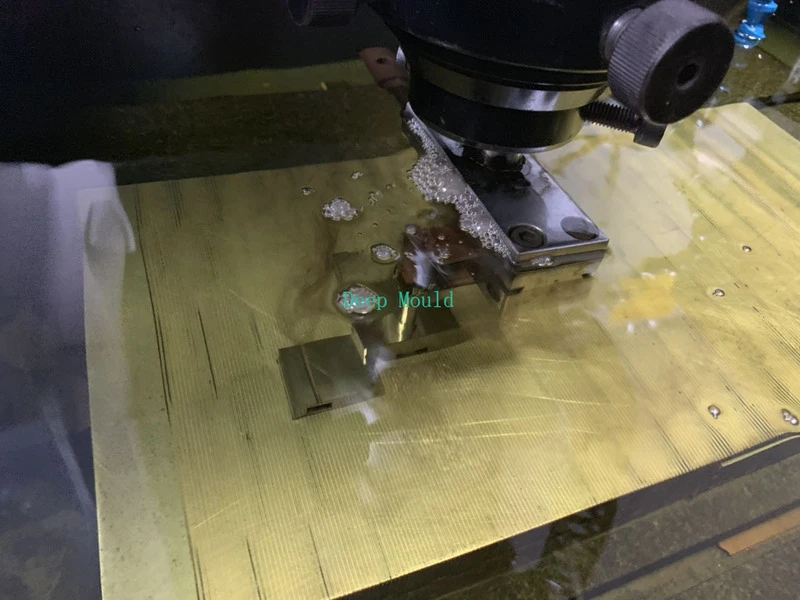
The geometry of a plastic component has a direct influence on mold construction. Openings, deep ribs, narrow slots, undercuts, and changes in wall thickness may require additional design considerations.
For example, a housing with side locking features may need sliders or other side-action mechanisms. The slider must move along a suitable path, close accurately during injection, and retract far enough to release the molded part. Poor shut-off contact can cause flash, while unsuitable release conditions may damage the side features.
The mold also needs to account for the position of the parting line, draft angles, gate locations, and ejector layout. These details affect both mold operation and the appearance of the finished component.
During the design stage, a DFM review can help identify potential problems, including:
• Undercuts and areas that require side actions
• Insufficient draft or difficult demolding conditions
• Gate positions that may affect filling or appearance
• Uneven wall thickness and possible sink marks
• Ejector positions near functional or visible surfaces
• Mold structures that may be difficult to machine or maintain
Reviewing these details before manufacturing begins can reduce avoidable design changes and make the tooling process easier to manage.
Choosing a Suitable Plastic Material
Material selection affects more than the mechanical properties of a molded component. It also influences filling behavior, shrinkage, cooling, and dimensional stability.
Common engineering plastics include PA66, POM, PC, and ABS. Each material has different characteristics and suits different applications.
PA66 is often considered for functional components that require mechanical strength and heat resistance. POM is used for parts that need suitable stiffness and dimensional performance, while PC may be selected where impact resistance is important. ABS is also common in housings and consumer product components.
However, material selection should reflect the actual working conditions. Engineers need to consider operating temperature, moisture exposure, chemical contact, mechanical loads, and assembly requirements.
PA66, for example, requires proper drying before injection molding. Its shrinkage behavior also needs attention during mold design. Therefore, the resin grade and its technical data should be reviewed before determining cavity dimensions and processing conditions.
Controlling Part Dimensions During Mass Production
A molded sample may meet the drawing requirements, but this does not guarantee that every production batch will have the same dimensions. Changes in processing conditions can affect dimensional consistency, particularly in parts with large flat surfaces, uneven wall thicknesses, or complex geometries.
Several molding parameters influence the final result, including injection speed, holding pressure, melt temperature, mold temperature, and cooling time. When these settings are not properly managed, parts may show variations in shrinkage, warpage, or surface finish.
To maintain consistent dimensions during production, manufacturers need to establish suitable process parameters and define inspection requirements before mass production begins. Measurements should follow the customer's approved drawings, with a focus on features that affect assembly and function, such as mounting holes, mating surfaces, openings, and locking structures.
For parts with more complex geometries, Moldflow analysis can help engineers assess material flow and filling behavior. It can also identify potential weld-line and air-trap locations and help compare different gate and runner designs during mold development.
However, simulation results alone cannot confirm the final molding performance. Mold trials and dimensional inspections remain necessary to evaluate how the selected material, mold structure, and processing conditions work together under actual production conditions.
Where Precision Plastic Injection Molding Is Used
Precision plastic injection molding is suitable for components that need accurate fitting, functional features, or consistent dimensions across repeated production runs.
Typical applications include:
• Automotive components
Interior fittings, functional housings, battery-related plastic parts, and structural components that connect with other assemblies.
• Medical and precision equipment
Instrument housings, device components, and molded parts designed around specific dimensional and assembly requirements.
• Electronic components
Protective enclosures, internal supports, connector-related parts, and insulating components.
• Household appliances and consumer products
Plastic housings, mounting brackets, clips, and functional parts used in electrical and mechanical assemblies.
Although these industries have different requirements, the manufacturing considerations are similar. The part design, selected resin, mold structure, and inspection criteria all need to match the intended application.
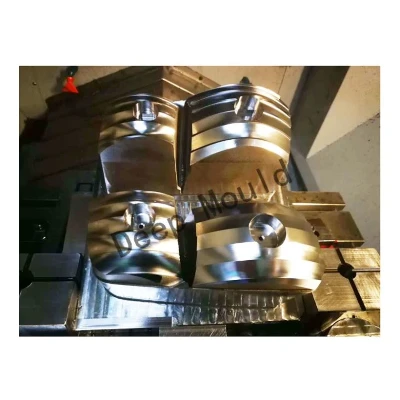
Submit Your Plastic Part Requirements to Deep Mould
Choosing a precision plastic injection molding supplier involves more than comparing unit prices. Mold design experience, material selection, production capacity, and dimensional control all need to be considered, as they can affect both part quality and manufacturing costs.
If you are developing a plastic housing or a component with specific fitting and assembly requirements, Deep Mould can review your design and discuss suitable tooling and production options.
To help us understand your project, please share your 2D drawings or 3D CAD files, material requirements, estimated order quantity, critical dimensions, and surface finish specifications.
Contact Deep Mould to discuss your precision plastic injection molding requirements.