
Custom Automotive Plastic Injection Molding For Audi Interior Components
Leave a message
Automotive interior parts often have specific requirements for dimensions, assembly, material selection, and surface finish. A small deviation in a mounting feature or connection point can affect how a component fits with surrounding parts. For this reason, mold design and process planning need to account for the actual application before production begins.
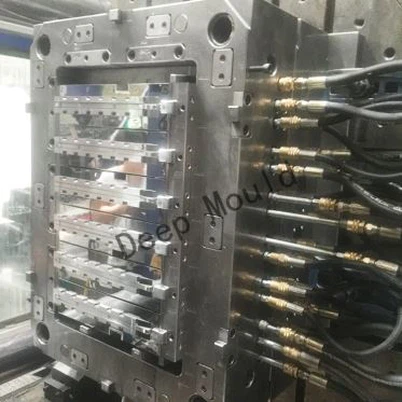
Deep Mould provides custom automotive plastic injection molding for Audi-related projects, based on customer drawings and technical specifications. This project involved an automotive interior accessory mold using PA66+GF30% material, a four-cavity layout, and an INCOE hot runner system. The following details outline the mold configuration and the main considerations involved in this type of custom tooling project.
Project Specifications and Mold Configuration
The project focused on mold manufacturing for automotive interior accessories. The tooling configuration included four cavities, four valve gates, and four Merkel oil cylinders.
The main specifications were as follows:
|
Item |
Specification |
|
End customer |
Audi |
|
Application |
Automotive interior accessories |
|
Plastic material |
PA66+GF30% |
|
Cavity configuration |
1 × 4 cavities |
|
Mold steel |
LKM 1.2344 |
|
Steel hardness |
HRC 48–52 |
|
Mold dimensions |
500 × 600 × 451 mm |
|
Mold weight |
980 kg |
|
Lead time |
45 days |
|
Mold component standard |
EQ / HASCO |
|
Hot runner system |
INCOE with four valve gates |
|
Additional components |
Four Merkel oil cylinders |
These details provide a reference for similar automotive tooling projects. However, mold specifications vary with part geometry, assembly requirements, production volume, and the selected molding process. A new project therefore requires its own technical review rather than simply copying an existing mold configuration.
Material Selection for PA66+GF30% Components
The specified material for this project was PA66+GF30%, a glass-fiber-reinforced nylon used in engineering applications where stiffness and dimensional requirements need careful consideration.
Compared with unreinforced PA66, glass-fiber reinforcement changes the material's flow and shrinkage behavior. Fiber orientation can also affect dimensional stability, particularly around ribs, mounting features, and areas with different wall thicknesses. As a result, material selection needs to be considered alongside part geometry and mold design.
For custom automotive plastic injection molding for Audi applications, customers should provide the required resin grade and identify critical dimensions before tooling begins. Engineers can then review features that may affect filling, cooling, shrinkage, and part release.
It is also important to distinguish between nominal material properties and the performance of a finished molded part. Actual results depend on the resin grade, component design, processing conditions, and applicable testing requirements. These factors should be confirmed during project development and sample evaluation.

Four-Cavity Mold Design and Hot Runner System
This project uses a four-cavity mold to produce four parts per injection cycle, assuming all cavities operate as intended. A multi-cavity layout can increase output per cycle, although the overall production rate also depends on cycle time, machine capacity, cooling, and process stability.
The mold incorporates an INCOE hot runner system with four valve gates. Valve gates control the opening and closing of individual gate locations, giving the molding process more control over material entry into the cavities. Depending on the part design, gate placement and timing can influence weld lines, surface appearance, and material flow.
The tooling also includes four Merkel oil cylinders. Their configuration needs to match the mold's required movements and operating sequence. During design review, the mold maker should consider how these mechanisms interact with the cavity layout, ejection system, and surrounding mold components.
For a precision automotive injection mold, these details matter because changes to one part of the structure can affect other tooling features. Reviewing the mold design before machining helps clarify the required functions and identify potential interference or maintenance concerns.
Custom Mold Manufacturing for Audi Interior Components
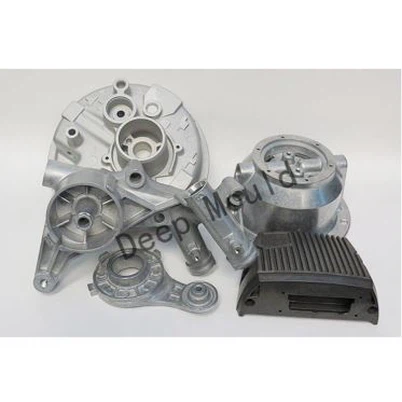
Automotive interior components can include trim pieces, cup holder accessories, air conditioning components, and other parts used around the passenger compartment. Each application presents different design requirements. Some parts need a consistent visible finish, while others depend more on mounting accuracy, clips, ribs, or clearances with adjacent components.
Therefore, custom automotive mold manufacturing should begin with the component's actual function and design. A supplier needs to review the 2D drawings or 3D CAD files, resin specifications, critical tolerances, surface finish, and expected production quantity before proposing a tooling arrangement.
Deep Mould supports custom mold design and manufacturing, plastic injection molding, CNC machining, 3D printing, and vacuum casting. The company also offers metalworking processes such as stamping, bending, welding, EDM, wire cutting, grinding, and precision assembly.
These services can support different stages of a project, from prototype evaluation to mold development and molded-part production. The appropriate process depends on the component's geometry, material, quantity, and required delivery schedule.
Deep Mould's Automotive Manufacturing Capabilities
Automotive tooling projects involve more than machining a mold to a drawing. Buyers and suppliers also need to agree on material grades, critical dimensions, sample inspection criteria, and production expectations. Clear communication at the beginning helps both sides understand the technical requirements and manage design changes during development.
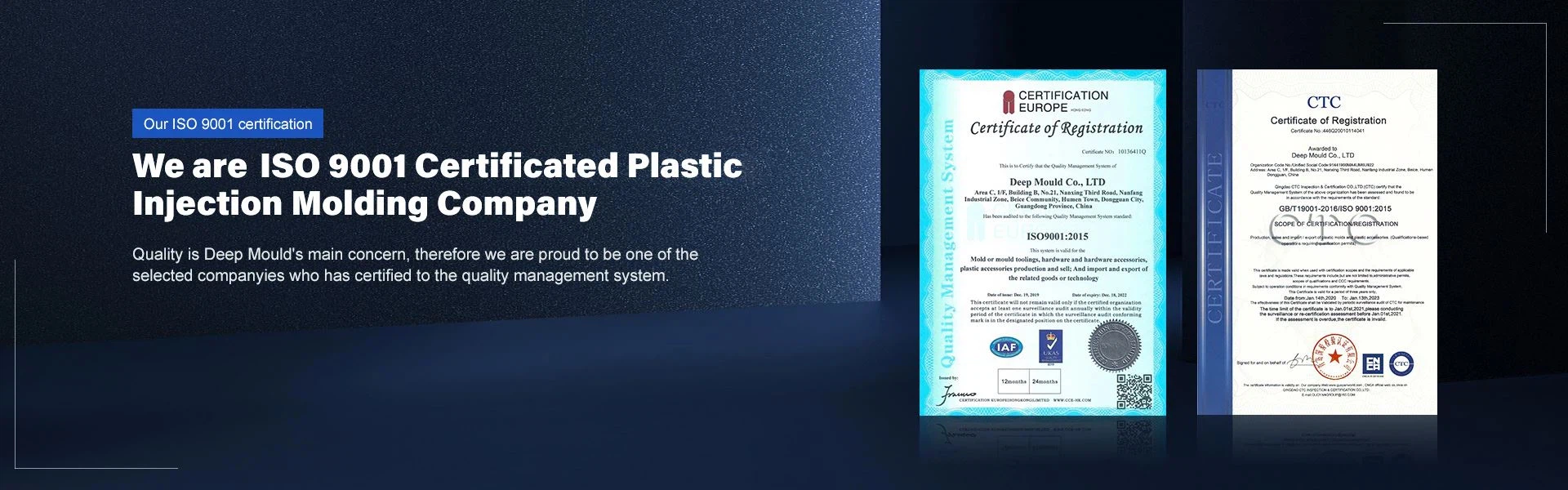
Founded in Dongguan in 2016, Deep Mould moved to its current manufacturing facility in Humen in 2020. The facility covers more than 6,000 square meters and has a team of over 80 employees. The company works on custom plastic and metal component projects for automotive, medical, electronics, household appliance, and industrial applications.
For custom automotive plastic injection molding for Audi projects, Deep Mould can review customer drawings and discuss mold structure, material requirements, and manufacturing options. The team also aims to respond to initial inquiries within 24 hours and provide timely answers to technical questions during mold development.
Request a Custom Mold Quotation
Before requesting a quotation, prepare the part drawings, specified resin grade, estimated production quantity, critical tolerances, surface finish requirements, and target delivery date. If the component has specific assembly conditions or testing requirements, include those details as well.
This information helps the supplier assess the tooling requirements and identify questions that need clarification before production starts. It also gives purchasing teams a more consistent basis for comparing quotations from different mold manufacturers.
Deep Mould provides custom mold manufacturing and plastic injection molding services based on customer designs and project requirements. Contact the team to discuss your custom automotive plastic injection molding for Audi project and review the tooling options for your component.