

How To Choose The Right Plastic Housing Injection Molding Solution
Leave a message
Plastic housings are widely used in electronics, industrial machinery, and automotive applications. Their requirements vary depending on the product, from basic protection and component support to precise assembly interfaces and resistance to heat or impact.
When choosing a plastic housing injection molding supplier, buyers should look beyond the quoted price. Material properties, part design, mold complexity, and production requirements all affect the final result. Evaluating these factors early helps avoid design changes and manufacturing issues later in the project.
1.Specify Your Part Requirements
A clear part specification helps a manufacturer assess the project and prepare a more accurate quotation. Before contacting suppliers, consider how the housing will be installed, what it needs to protect and which features are important for assembly.
For example, mounting holes, screw bosses, snap-fit clips and internal ribs may affect both mold design and part performance. If the housing connects to other components, their dimensions and assembly requirements should also be considered.
Provide a 3D CAD model and 2D drawings whenever possible. Mark critical dimensions and tolerances, and include details about the expected working environment. If the design is still under development, explain which features are fixed and which may be adjusted.
These details give the manufacturer a clearer basis for evaluating a custom plastic housing molding project before tooling starts.
2. Choose a Material Based on Actual Use
The right plastic depends on how the housing will be used. Strength, heat resistance, chemical exposure, surface finish and cost can all influence material selection.
ABS is commonly considered for housings that need a good surface finish and general-purpose mechanical properties. Polycarbonate (PC) may be suitable where impact resistance or transparency is important. PA66 is another option for applications requiring an engineering plastic with useful mechanical and thermal properties.
However, material names alone are not enough to determine suitability. Different grades can behave differently during molding and in service. Glass-fiber reinforcement, for instance, can increase stiffness but may also affect flow, surface appearance and dimensional stability.
For engineering plastic housing molding, share the operating conditions and performance requirements with the supplier. This helps narrow down suitable grades before the material is finalized. The manufacturer should also consider the selected resin's drying requirements and recommended processing conditions.
3. Designing Molds for Complex Housing Geometries
The geometry of a plastic housing affects how the mold is built and how easily the part can be released after molding.
Side openings, undercuts and locking features may require sliders or other side-action mechanisms. These features can be manufactured through injection molding, but they need to be considered during the tooling design stage. Their positions may affect the parting line, mold structure and maintenance requirements.
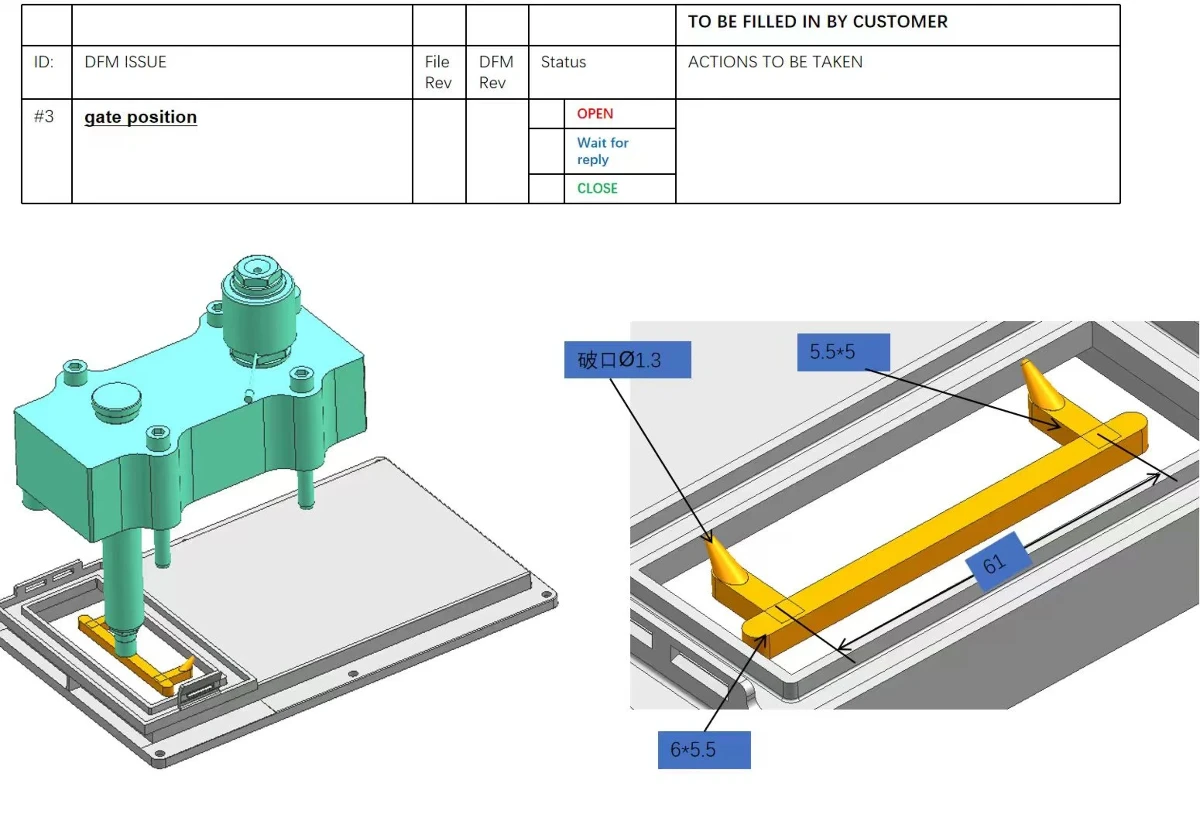
Draft angles are another important detail. Without sufficient draft, some surfaces may resist ejection and develop scratches or deformation. Wall-thickness changes and poorly positioned gates can also contribute to uneven filling, shrinkage or warpage.
A design for manufacturability (DFM) review allows the supplier to identify potential issues before the mold is made. For custom plastic enclosure injection molding, this review may also reveal opportunities to simplify a feature or adjust the geometry without changing its intended function.
4. Set Practical Dimensional and Appearance Requirements
A plastic housing does not necessarily need the same tolerance across every feature. Mounting points, alignment surfaces and interfaces with other components may require closer control than non-functional exterior surfaces.
Clearly identifying these critical dimensions helps the manufacturer focus inspection efforts where they matter most. It can also prevent unnecessary tooling complexity caused by applying tight tolerances to the entire part.
Dimensional variation can result from several factors, including material shrinkage, wall thickness, mold temperature, cooling conditions and gate location. For this reason, precision plastic housing manufacturing depends on both sound part design and appropriate process control.
For parts with complex geometries, Moldflow analysis can help engineers examine filling behavior, pressure requirements and potential weld-line locations. However, simulation is only one part of the evaluation. Mold trials and measurements of actual parts are still needed to check whether the results meet the drawing requirements.
Surface finish should also be discussed before production. If the housing has visible surfaces, specify the required texture, color and any relevant cosmetic acceptance criteria. This gives the tooling and production teams a consistent reference.
5. Plan for Prototypes and Future Production
The right manufacturing approach depends on the product's development stage, expected order quantity and likelihood of design changes.
During early development, 3D printing can help check dimensions, component fit and general form. Vacuum casting may also be worth considering for certain low-volume applications. However, prototype parts do not always reproduce the material behavior or surface characteristics of injection-molded components.
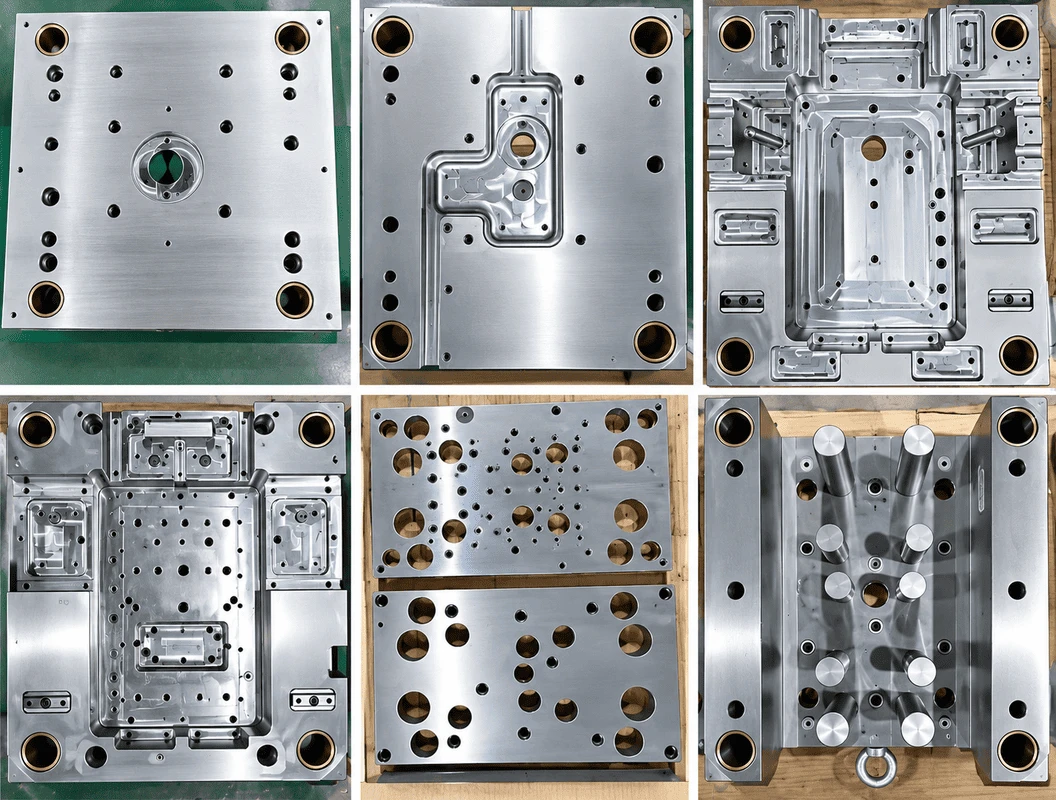
Once the design is sufficiently stable, injection molding can be considered for repeat production. At this stage, the initial tooling cost should be evaluated alongside the expected quantity, part complexity and potential future revisions.
Buyers should also discuss how design changes will be handled after tooling begins. Changes to mounting points, wall thickness or side-action features may require mold modifications, so identifying likely areas of uncertainty early can help avoid unnecessary rework.
Choosing a Supplier for Plastic Housing Injection Molding
When comparing quotes for custom plastic housing injection molding, look beyond the unit price. Differences in tooling design, material selection, dimensional tolerances and quality requirements can all affect the final cost. A clear breakdown of the proposed solution makes it easier to compare suppliers on the same basis.
It is also worth checking how each manufacturer handles design reviews, mold trials and dimensional inspections. These steps are particularly important for housings with complex openings, snap-fit features or precise assembly requirements.
Deep Mould provides mold design, plastic injection molding, CNC machining, 3D printing and vacuum casting services. Based in Dongguan, China, the company supports custom manufacturing projects across industries including automotive, medical, consumer products and industrial equipment.
To discuss a plastic housing project, share your 2D drawings or 3D CAD files, material specifications and estimated order quantity. This information helps the team assess the part design and recommend a suitable manufacturing approach.
Visit Deep Mould to discuss your custom plastic housing project.