

Rapid CNC Prototyping For Complex Plastic And Metal Parts
Leave a message
A product design can look complete on a computer screen, yet still present problems once the first physical part is made. Mounting holes may not line up, mating components may have insufficient clearance, or a housing may need adjustments before assembly.
Finding these issues early can save both time and tooling costs. Rapid CNC prototyping allows engineers to turn CAD designs into physical parts and check important details before moving into full production.
At Deep Mould, we provide custom prototyping services for plastic and metal components. Alongside CNC machining, our capabilities include SLA 3D printing and vacuum casting. This gives customers more flexibility when choosing a suitable process for their design, material and sample quantity.
How CNC Prototypes Help Identify Design Issues Early
A prototype should do more than show what a finished product might look like. It should help answer practical questions about the design.
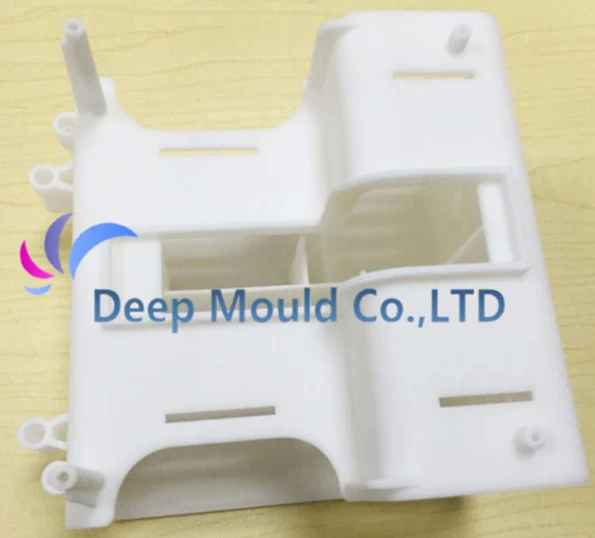
For example, a new equipment housing may need to accommodate circuit boards, connectors, fasteners and other internal components. Although the 3D model shows how these parts should fit together, a physical sample provides a more direct way to check clearances and assembly conditions.
This is one reason manufacturers use rapid CNC prototyping during product development. CNC machining produces parts directly from CAD data, allowing engineers to examine the actual geometry and machined surfaces.
Depending on the project, a prototype can help with:
• Checking mounting holes and connection positions
• Verifying dimensions against mating components
• Reviewing threads, slots and other functional details
• Testing the fit of mechanical assemblies
• Identifying design changes before tooling begins
These checks are particularly useful when a component has several interfaces or needs to fit into an existing product structure.
Choosing Materials for Functional Prototypes
The material used for a prototype should reflect the purpose of the test. A material chosen only for its low cost may not provide useful information about the final part.
For metal components, aluminum is often considered for lightweight housings, brackets and structural parts. Stainless steel may be suitable when strength or corrosion resistance matters. Brass is another option for certain connectors and mechanical fittings.
For plastic parts, the available choices include ABS, POM, PP, PC, PMMA and PA+GF. Each material has different machining characteristics and physical properties.
For instance, ABS can be used for housing prototypes and general product development. POM is often selected for components that involve sliding or repeated movement. Glass-filled nylon may be considered when a design requires greater stiffness.
With custom rapid CNC prototyping, customers can specify the required material grade or discuss alternatives with the engineering team. This is worth considering when the prototype needs to provide useful feedback on the intended application.
CNC Machining Requirements for Complex Components
Part geometry has a direct influence on machining difficulty, lead time and achievable accuracy.
A component with deep cavities may require longer cutting tools. Thin sections can present challenges during machining because cutting forces may affect the part's stability. Similarly, closely positioned holes or complex contours may require additional setups.
For this reason, reviewing the CAD model before machining helps identify potential difficulties.
Dimensional requirements also need careful attention. Not every feature requires the same tolerance. Mounting holes, mating surfaces and functional interfaces may need closer control than non-critical external surfaces.
Deep Mould supports precision CNC machining for custom plastic and metal components. For suitable features and machining conditions, tolerances can reach 0.01 mm. However, the achievable result depends on the material, part size, geometry and inspection method. Customers should therefore mark critical dimensions clearly on their drawings.
Surface finish is another consideration. Machining marks, edge conditions and visible surfaces may affect the appearance or assembly of the finished part. Sharing these requirements at the quotation stage helps the team evaluate the appropriate machining and finishing methods.
Matching the Prototyping Method to Your Part Requirements
CNC machining is useful for many functional parts, but it is not always the most suitable option. The required level of detail, material, quantity and testing purpose all influence the process selection.
CNC machining works well when the prototype needs to use a specified plastic or metal material. It is also suitable for parts that require machined holes, threads and accurately defined surfaces.
SLA 3D printing can be a better choice for early design models with detailed shapes or complex external features. It allows engineers to review the form and general fit without preparing a machining setup.
Vacuum casting is worth considering when a project needs a small batch of similar plastic-like parts. The process uses a master model to create a silicone mold, which then produces additional resin samples. Depending on the part design and casting conditions, one silicone mold can typically produce around 20–25 parts.
Each process serves a different purpose. Therefore, choosing a method based on the actual testing requirements is usually more practical than using the same process for every prototype.
Moving from Prototype Testing to Manufacturing
The first prototype often leads to further design adjustments. Engineers may change a hole position, revise a wall section or modify an assembly feature after checking the physical sample.
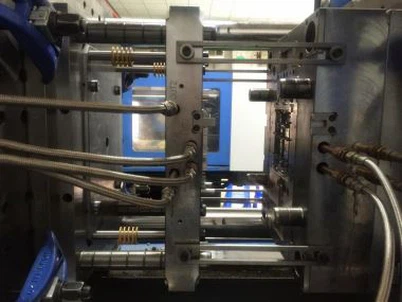
Once the design has been reviewed, the next step may involve another prototype, a small production batch or the development of an injection mold. Planning for this transition early can help avoid unnecessary changes later.
Deep Mould supports customers through several manufacturing processes, including:
• CNC machining for plastic and metal parts
• SLA 3D printing for detailed models
• Vacuum casting for small-batch components
• Injection mold design and manufacturing
• Plastic injection molding
• Metal fabrication, including laser cutting, stamping, bending and welding
Founded in Dongguan, China, in 2016, Deep Mould has a manufacturing facility covering more than 6,000 square meters and a team of over 80 employees. We work with customers in the automotive, household appliance, medical, consumer goods and industrial sectors.
By combining prototyping and manufacturing capabilities, we can discuss the requirements of an early-stage sample alongside the potential needs of later production.
Project Details for CNC Prototyping
Clear technical information makes it easier to assess a custom CNC project. When requesting a quotation, customers can provide:
• A 3D CAD file showing the part geometry
• A 2D drawing with dimensions and critical tolerances
• The required material and material grade
• Estimated prototype or production quantity
• Surface finish and appearance requirements
• The intended application or testing purpose
If the part needs to fit with other components, assembly drawings or reference models are also helpful.
These details allow the engineering team to review the geometry, material and machining requirements before recommending a suitable process.
Get a Quote for CNC Machined Prototypes
Whether you are developing a new product housing, checking a mechanical component or preparing samples for assembly testing, the right prototype can help identify design issues before production begins.
Deep Mould provides custom rapid CNC prototyping and complementary manufacturing services for plastic and metal parts. Share your drawings and project requirements with our team to discuss material options, machining feasibility and the next steps.
Contact Deep Mould to request a quotation for your project.