
Injection Molding Automotive Parts: Materials, Mold Design And Custom Production
Leave a message
Plastic components are found in many areas of a vehicle, including dashboard panels, door handles, mounting brackets, clips, and protective housings. Each part has its own design and function, but it must meet certain requirements during production. Dimensions need to match the assembly, the part should retain its shape, and the material must suit the conditions in which it will be used.
For manufacturers, injection molding automotive parts is a common method of producing plastic components with consistent dimensions and repeatable results. The quality of the finished part, however, is influenced by several factors. Material properties, wall thickness, mold design, gate location, and processing parameters all need to be considered before production begins.
Deep Mould provides custom automotive mold manufacturing and plastic injection molding services based on customer drawings, 3D CAD files, or physical samples. Depending on the project, we can support mold development, prototype evaluation, and production of automotive plastic components for different applications.
Automotive Plastic Parts and Their Manufacturing Requirements
Automotive plastic components serve different purposes, so their design and manufacturing requirements vary. Understanding where a part will be installed and how it will function helps determine the appropriate material and mold structure.
• Interior components
Dashboard parts, center console housings, door panel components, and interior trim often combine visible surfaces with mounting points and connecting features. In these applications, appearance and dimensional accuracy both matter. For example, a door panel component needs to match the surrounding trim while maintaining the correct position of its clips and mounting holes.
Surface texture, gloss level, and color also need consideration during mold development. If the component has a large visible area, gate marks, sink marks, or uneven surfaces may affect its appearance.
• Exterior components
Grilles, protective covers, bumper-related parts, and exterior trim have different requirements. Depending on their location, these components may experience sunlight, temperature changes, moisture, and impact.
Therefore, engineers need to consider the material's environmental resistance as well as the part's structure. Mounting points and connecting features also need sufficient strength to maintain their intended position during use.
• Functional and under-the-hood components
Brackets, clips, intake system components, cooling system parts, and protective housings often require specific mechanical or thermal properties. Some components operate near heat sources, while others experience vibration or contact with automotive fluids.
For these applications, material selection should follow the actual working conditions. PA6, PA66, PP, and other engineering plastics may suit different requirements, depending on the component design and performance specifications.
Common Issues in Automotive Injection Molding
A part may look straightforward in a CAD model but still present difficulties during mold manufacturing or production. Several design details deserve attention before tooling begins.
• Warpage and Uneven Shrinkage
Large panels and components with different wall thicknesses can cool at different rates. This may cause shrinkage differences, sink marks, or warpage.
Wall thickness, rib placement, gate location, and cooling channel layout all influence the final shape. For this reason, engineers should review the part geometry before mold construction. Where necessary, they can discuss changes to wall transitions or reinforcement features with the customer.
• Undercuts and Side Features
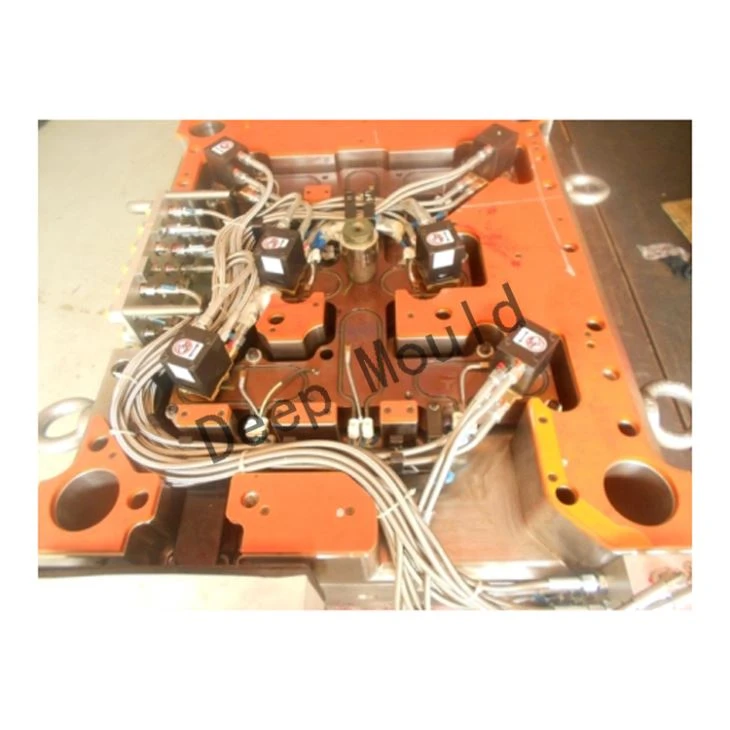
Automotive plastic parts often contain clips, side openings, hooks, and other features that cannot release directly from a straight-pull mold.
A slider or lifter may provide the required movement to form these areas. However, the mold designer also needs to consider the movement direction, available space, draft angle, and shut-off condition. Poorly planned side-action structures can increase tooling complexity and create maintenance concerns.
• Dimensional Accuracy at Assembly Points
Mounting holes, locating features, and snap-fit structures affect how a component connects to other parts. Even a small dimensional difference may cause assembly difficulties.
Therefore, the engineering team should identify critical dimensions from the product's assembly requirements. This helps determine which features need closer attention during mold design, trial molding, and inspection.
Mold Design: More Than Reproducing the Part Shape
The mold needs to form the component accurately and allow it to release without damage. To achieve this, engineers must consider the relationship between the part geometry and the mold structure.
The parting line is one of the first points to review. Its position affects the appearance of the finished part and the way the mold separates. For components with side openings or undercuts, the designer also needs to determine whether sliders or lifters are necessary.
Draft angles require similar attention. A suitable draft helps the molded part release from the core and cavity. However, the angle must also preserve the dimensions and engagement of functional features.
Gate location is another important consideration. It influences how molten plastic enters and fills the cavity. Depending on the part geometry, engineers may need to compare different gate positions to assess flow balance, weld-line locations, visible marks, and packing behavior.
For complex components, Moldflow analysis can help evaluate filling patterns, flow-front temperatures, and injection pressure. It provides useful information during mold development, although simulation results still need comparison with actual molding trials.
Selecting Materials for Automotive Plastic Components
The material affects the strength, weight, appearance, and processing behavior of an automotive component. Therefore, the selection should start with the part's function rather than a general preference for a particular resin.
|
Plastic material |
Typical characteristics |
Common applications |
|
ABS |
Good impact performance and surface appearance |
Interior housings and trim |
|
PP |
Low density and chemical resistance |
Covers and functional components |
|
PA6 / PA66 |
Strength, stiffness, and wear resistance |
Brackets and mechanical parts |
|
PC |
Impact resistance and transparency options |
Lighting-related components and protective parts |
|
PC/ABS |
A combination of selected PC and ABS properties |
Interior housings and electrical enclosures |
These materials serve different purposes, and their suitability depends on the component's design and operating environment. For example, a plastic housing near a heat source may require different properties from a decorative interior trim piece.
Processing requirements also vary. PA6 and PA66 absorb moisture, so proper drying before molding is important. Moisture in the resin can affect processing stability and the surface quality of the molded part. Manufacturers should follow the resin supplier's recommendations for drying temperature and time.
From Part Drawings to Production
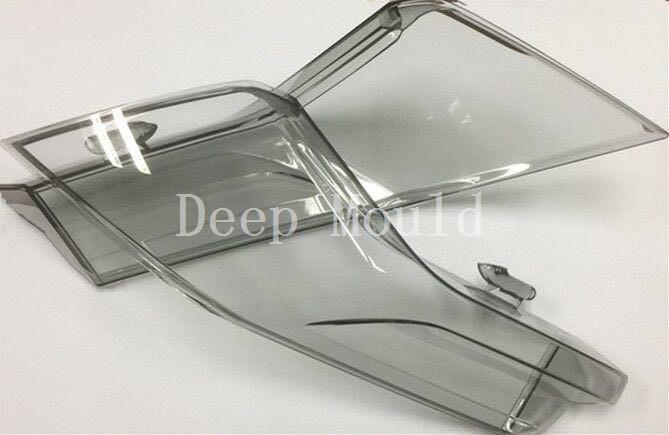
A custom automotive injection molding project usually starts with a drawing, 3D model, or existing sample. At this stage, the engineering team reviews the component structure, material requirements, critical dimensions, and expected production quantity.
The team then considers the tooling approach. Features such as deep ribs, side holes, clips, and undercuts may affect the parting line, slider arrangement, and ejection method. Addressing these details early can reduce unnecessary mold modifications later.
For projects that require design verification, 3D printing, vacuum casting, or CNC machining can provide prototype parts, depending on the material and testing requirements. These methods allow customers to review dimensions, assembly relationships, and product structure before committing to production tooling.
After mold manufacturing, trial molding helps evaluate filling, demolding, surface appearance, and dimensional results. If a problem occurs, the team needs to identify its source before making adjustments. For instance, a dimensional deviation may relate to material shrinkage, cooling conditions, or mold geometry. Each cause requires a different response.
Once the part meets the agreed requirements, documented process conditions and inspection criteria help maintain consistency during repeat production.
Custom Automotive Injection Molding Capabilities at Deep Mould
Deep Mould provides integrated mold manufacturing and plastic injection molding services for automotive components. Our capabilities cover mold structure design, precision mold machining, tool assembly, injection molding, and secondary processing. This allows us to support projects involving automotive interior parts, exterior components, functional plastic parts, and other custom-molded products.
Our manufacturing capabilities include:
• Automotive Injection Mold Design and Manufacturing
• Mold development for plastic components with complex geometries, mounting features, ribs, bosses, clips, and side-action structures. Mold design considers part geometry, material shrinkage, demolding conditions, dimensional requirements, and production needs.
• Custom Plastic Injection Molding
Production of plastic components based on customer drawings, 3D models, samples, and specified resin grades. The molding process can be adapted to different part sizes, structural designs, surface requirements, and order quantities.
• Precision CNC Machining
CNC machining for mold bases, core and cavity inserts, precision mold components, and selected custom plastic or metal parts. Additional mold-making processes include EDM, wire cutting, grinding, and polishing.
• Prototype and Low-Volume Manufacturing
3D printing and vacuum casting for prototype parts and selected low-volume projects. These processes can help evaluate part dimensions, structural details, and assembly fit before committing to injection mold production.
• Metal Fabrication and Component Processing
Supporting processes include laser cutting, stamping, bending, welding, and precision assembly. These capabilities are useful for projects that involve both plastic and metal components.
The manufacturing facility is located in Humen, Dongguan, China, covering more than 6,000 square meters and supported by a team of over 80 employees. With mold manufacturing and multiple processing capabilities available within the same facility, Deep Mould can handle different stages of custom component production.
For automotive projects, the required manufacturing approach depends on the component's structure, resin selection, dimensional tolerances, surface finish, and expected production volume. Whether the project involves a new injection mold or production from an existing design, we can review the technical specifications and determine the appropriate tooling and manufacturing arrangement.