
Custom Plastic Part Prototyping Services
Leave a message
Developing a plastic part involves more than confirming its shape in a CAD model. The design also needs to meet assembly requirements, suit the selected material, and work with the intended manufacturing process. If these factors are not checked early, design changes can increase tooling costs and delay production.
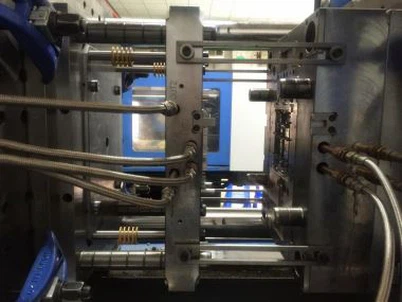
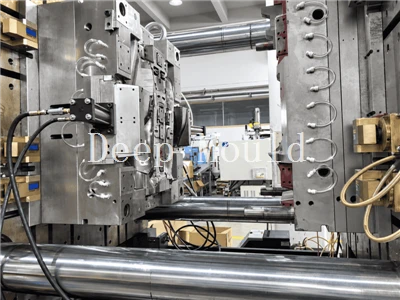
Prototype injection molding gives manufacturers a way to evaluate plastic components before committing to production tooling. Depending on the project, companies can use prototype samples to check dimensions, fit, surface appearance, and selected functional features. Deep Mould supports custom plastic part development through design review, mold making, injection molding, and related manufacturing services.
1.Prototype Injection Molding for Product Development
A digital model helps engineers review the part geometry, but it cannot answer every question about the finished component. For example, a mounting hole may not align with the mating part, a snap-fit feature may require adjustment, or a large flat surface may show dimensional variation after molding.
Prototype development helps teams identify these issues before moving to larger production quantities. It is particularly useful when a project requires:
• Checking the fit between plastic parts and assembled components
• Evaluating mounting holes, clips, ribs, and other functional features
• Reviewing surface appearance and dimensional consistency
• Assessing material suitability for the intended application
• Preparing samples for engineering tests or customer evaluation
The required testing depends on the part's purpose. A prototype intended for a basic fit check may need different materials and manufacturing methods from one used for mechanical testing. Defining the test objectives early helps the manufacturer recommend a suitable process.
2.Selecting the Right Tooling Approach
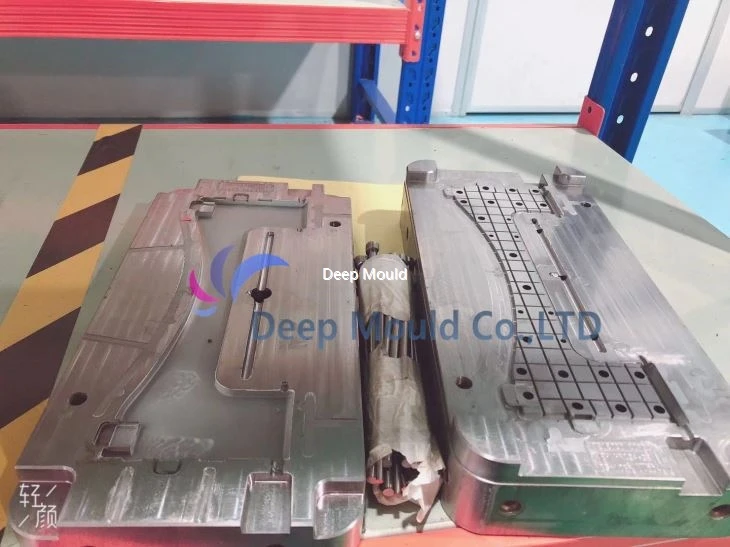
The right approach depends on the part design, sample quantity, material requirements, and development stage. A project that needs a few samples for an initial review may not require the same tooling investment as one preparing for regular production.
• Rapid Prototyping for Early Design Checks
For early-stage development, 3D printing or another suitable prototyping process can help verify shape, dimensions, and assembly space without building an injection mold. This option is useful when the design may still change.
However, prototype materials and manufacturing processes do not always reproduce the behavior of injection-molded production parts. If the project requires evaluation of molded surface quality, shrinkage, or process-related characteristics, the team should consider whether a molded sample is necessary.
• Low-Volume Prototype Injection Molding
When customers need molded samples or a limited production run, a low-cost, shorter-life mold may be a practical option. Deep Mould's service plan identifies this approach for quantities below 5,000 pieces, subject to project requirements.
This method allows the team to evaluate parts made through injection molding while limiting the initial tooling commitment. It can also help reveal issues related to filling, demolding, and dimensional variation. Actual suitability depends on the component geometry, resin, mold design, and expected production volume.
• Tooling for Ongoing Production
Once the design has passed the required checks, the project may move to a standard or longer-life mold. Deep Mould offers standard tooling specified for more than 200,000 shots, as well as longer-life options for ongoing production.
Discussing the likely production volume at the beginning helps the team compare tooling options. It also reduces the risk of choosing a prototype solution that does not fit the project's later manufacturing needs.
3. Design Review and Mold Flow Evaluation
A workable prototype starts with a design that can be manufactured reliably. During design-for-manufacturing (DFM) review, engineers examine features such as wall thickness, draft angles, ribs, bosses, undercuts, and parting lines. They also consider how the mold will form each feature and release the finished part.
If the design contains a difficult undercut or a feature that requires a complex slider, the team can discuss alternatives before finalizing the mold. Any proposed change should preserve the component's functional requirements and fit with the mating parts.
Moldflow analysis provides additional information about the filling process. Depending on the model and analysis setup, it can help assess flow patterns, pressure requirements, potential weld lines, and possible filling issues. Engineers can use these results to compare design or gate-location options.
Simulation results still need careful interpretation. They do not replace mold trials, process adjustment, or inspection of actual parts. Instead, DFM and Moldflow analysis provide information that helps the team make decisions before investing further in tooling.
4. From Initial Samples to Production Parts
Prototype development often involves several steps beyond making the first sample. A project may require design adjustments, mold fabrication, injection molding, surface finishing, and preparation for assembly. Managing these tasks across multiple suppliers can add coordination work, especially when the design changes during development.
Deep Mould provides manufacturing services for custom plastic and metal components. Depending on the project, these services include injection mold design and manufacturing, plastic injection molding, 3D printing, vacuum casting, CNC machining, painting, laser processing, color printing, and packaging.
This range of processes gives customers different options as their designs develop. For example, a team may begin with a prototype for fit checks, then move to molded samples for further evaluation, and finally select production tooling when the design is ready.
Founded in Dongguan in 2016, Deep Mould moved to its current manufacturing facility in Humen in 2020. The facility covers more than 6,000 square meters and supports projects from prototype development to mass production. The company serves a range of industries, including automotive, medical, electronics, automation, household appliances, and consumer products.
5. What Information Is Needed for a Quote?
Clear project information helps the manufacturer assess the design and recommend a suitable process. When requesting a custom prototype injection molding service, prepare the following details where available:
• 3D CAD files: STEP, X_T, or IGES formats
• 2D drawings: Critical dimensions, tolerances, and assembly interfaces
• Material requirements: The specified resin grade, if already selected
• Required quantity: The number of prototypes or molded parts
• Testing purpose: Fit checks, functional testing, appearance review, or other requirements
• Expected production volume: An estimate of future demand, if known
If the design is still under development, you can share the current CAD model and identify the features that need further evaluation. The manufacturer can then review the geometry, discuss tooling considerations, and clarify any missing information before preparing a quotation.
Get a Quote for Your Custom Plastic Parts
Choosing the right prototyping method depends on your part design, material requirements, and production plans. Deep Mould works with customers to evaluate these factors and identify a suitable manufacturing approach, whether the project involves initial samples, small-batch molding, or production tooling.
Send us your 3D CAD files, technical drawings, material specifications, and estimated order quantity. Our team can review your requirements and discuss the tooling options, manufacturing process, and next steps for your project.
Contact Deep Mould to discuss your project and request a customized quotation.